

Articles, HIEMT Treatments, Pelvic Rehabilitation, Women's Health
What Is Pelvic Rehabilitation?

What Is Pelvic Rehabilitation Physiotherapy?
Pelvic rehabilitation physiotherapy is a specialised area of physiotherapy that focuses on assessing and treating dysfunction of the pelvic floor muscles. These muscles support the bladder, bowel, and reproductive organs, and are vital for continence, core stability, and sexual function.
Who Can It Help?
Pelvic physiotherapy can benefit women, men, and children who are experiencing a wide range of symptoms or conditions.
For Women
-
After childbirth (vaginal or caesarean)
-
Pelvic organ prolapse
-
Urinary or bowel incontinence
-
Pain during intercourse (dyspareunia)
-
Pelvic pain from endometriosis or other causes
-
Pelvic instability during or after pregnancy
For Men
-
Recovery after prostate surgery
-
Urinary incontinence
-
Pelvic pain or tension
-
Erectile dysfunction linked to pelvic floor weakness
For Everyone
-
Chronic constipation
-
Overactive bladder
-
Pelvic pain or pressure
-
Tailbone or lower back pain related to pelvic floor dysfunction
-
Bladder or bowel issues in children
Here are some frequently asked questions about pelvic rehabilitation:
- What is pelvic rehabilitation?
Pelvic rehabilitation is a specialized therapy designed to strengthen and restore function to the pelvic floor muscles, improving bladder control, bowel function, and overall core stability. - Who can benefit from pelvic rehabilitation?
Individuals experiencing urinary or fecal incontinence, pelvic organ prolapse, chronic pelvic pain, postpartum recovery challenges, or sexual dysfunction may benefit from treatment. - How long does pelvic rehabilitation take?
The duration varies depending on the condition and individual progress, but many patients see improvement within a few weeks to months of consistent therapy. - Is pelvic rehabilitation painful?
While some techniques may cause mild discomfort, therapy should not be painful. A skilled therapist will adjust treatments to ensure comfort and effectiveness. - What treatments are used in pelvic rehabilitation?
Common methods include pelvic floor exercises, manual therapy, biofeedback, electrical stimulation, High-Intensity Electromagnetic Therapy (HIEMT), dry needling, and lifestyle modifications. - Can pelvic rehabilitation help after pregnancy?
Yes, postpartum recovery often includes pelvic rehabilitation to restore muscle strength, improve bladder control, and reduce discomfort. - Do I need a referral for pelvic rehabilitation?
In many cases, a referral is not required, but it depends on the healthcare provider and insurance policies. - Can I do pelvic floor exercises at home?
Yes, once a therapist provides guidance, exercises like Kegels can be performed at home to maintain progress.
Why Might Someone Need Pelvic Physiotherapy?
Pelvic floor dysfunction can develop due to:
-
Pregnancy and childbirth
-
Surgical procedures (e.g. hysterectomy, prostatectomy)
-
Injury or trauma (e.g. falls, accidents)
-
Ageing and hormonal changes
-
Chronic straining or high-impact exercise
-
Neurological conditions (e.g. MS, spinal injury)
Common signs that pelvic rehab might help include:
-
Leaking urine or stool
-
Feeling of heaviness or bulging in the pelvic area
-
Pain in the pelvis, hips or lower back
-
Pain during or after sexual activity
-
Difficulty with bowel or bladder control
What Does Treatment Involve?
Pelvic rehabilitation physiotherapy is typically provided by a trained pelvic floor physiotherapist and may include:
-
Detailed assessment of pelvic floor function
-
Hands-on manual therapy (internal and/or external)
-
Tailored pelvic floor exercises
-
Postural education and lifestyle advice
-
Biofeedback and electrotherapy (where appropriate)
-
Use of therapeutic equipment such as HIEMT devices to enhance outcomes
Pelvic physiotherapy can significantly improve quality of life for people experiencing pelvic floor issues. Many Australians suffer in silence, thinking their symptoms are “normal” or can’t be helped—but support is available. With the right guidance and treatment, most people experience lasting improvements.


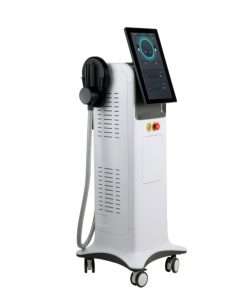
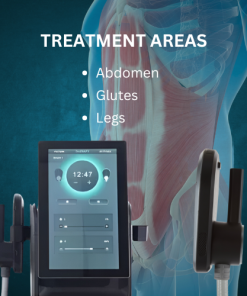

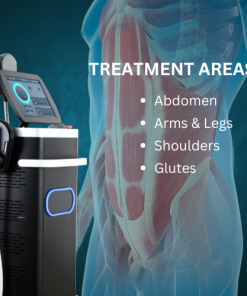

A HIEMT pelvic chair is a non-invasive device designed to strengthen the pelvic floor muscles using High-Intensity Electromagnetic Therapy (HIEMT). It delivers supramaximal contractions, far beyond what voluntary exercises can achieve, making it an effective solution for urinary incontinence, postpartum recovery, and pelvic floor dysfunction.
Key Benefits of a HIEMT Pelvic Chair
- Strengthens Pelvic Floor Muscles – Induces thousands of contractions per session, improving muscle tone and control.
- Reduces Urinary Incontinence – Helps restore bladder control by reinforcing the muscles that support the urethra.
- Enhances Postpartum Recovery – Assists women in regaining pelvic muscle strength after childbirth.
- Improves Sexual Function – Increases vaginal muscle tone, leading to better sensation and intimacy satisfaction.
- Non-Invasive & Painless – No surgery, discomfort, or downtime—patients simply sit in the chair while the electromagnetic pulses work.
- Convenient & Time-Efficient – Sessions typically last 20-30 minutes, requiring no effort from the patient.
How It Works
The chair uses focused electromagnetic energy to stimulate deep muscle contractions, similar to performing thousands of Kegels in a single session. This helps retrain and strengthen the pelvic floor muscles, improving overall function and stability.
