

Revolutionising Skin Health
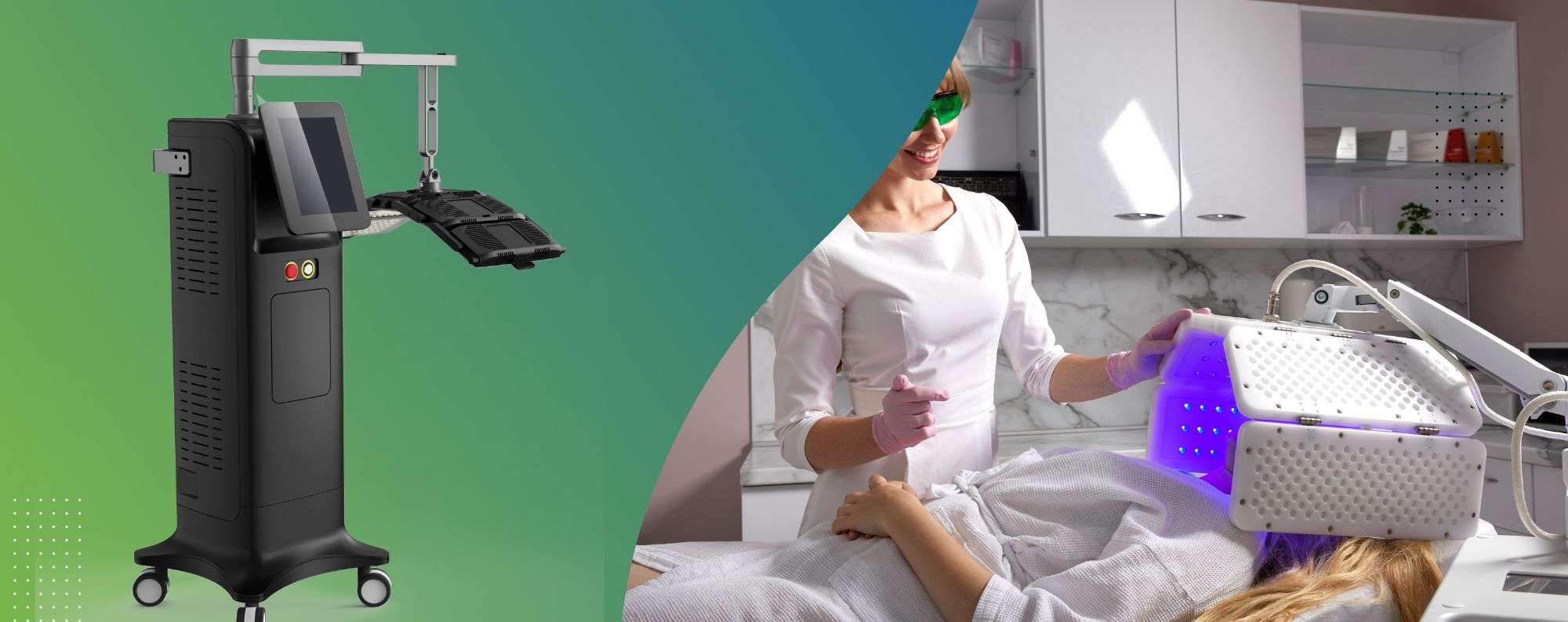
In recent years, advances in medical technology have revolutionised how chronic skin conditions are managed. One such innovation is LED phototherapy, specifically using red and blue light. Originally developed for use in space by NASA to promote wound healing in astronauts, LED phototherapy has since found a vital place in dermatology. This non-invasive, painless treatment modality leverages specific wavelengths of light to target to treat skin conditions such as acne. Its growing popularity is a testament to its efficacy and the numerous benefits it offers, both to patients and healthcare providers.
Key Benefits:
- LED phototherapy is effective in reducing inflammation, a common feature of chronic skin conditions like acne.
- Phototherapy penetrates deep into the skin, stimulating the production of collagen, a protein that is essential for skin elasticity and firmness.
- Unlike many other dermatological treatments, LED phototherapy is a entirely painless non-invasive procedure.
- The combination of effectiveness, comfort, and cosmetic benefits leads to high levels of patient satisfaction and repeat business.


The Emerging Role of LED Phototherapy in Chronic Skin Condition Management
Enhancing Patient Care and Facility Efficiency: The Role of Red and Blue LED Phototherapy in Managing Chronic Skin Conditions
Chronic skin conditions, such as acne, present ongoing challenges in clinical practice. These conditions not only impact patients’ quality of life but also place a significant burden on medical and care facilities due to the need for prolonged treatment and frequent follow-ups. In recent years, red and blue LED phototherapy has emerged as a promising non-invasive treatment modality, offering significant benefits for both patients and healthcare providers.
Understanding Red and Blue LED Phototherapy
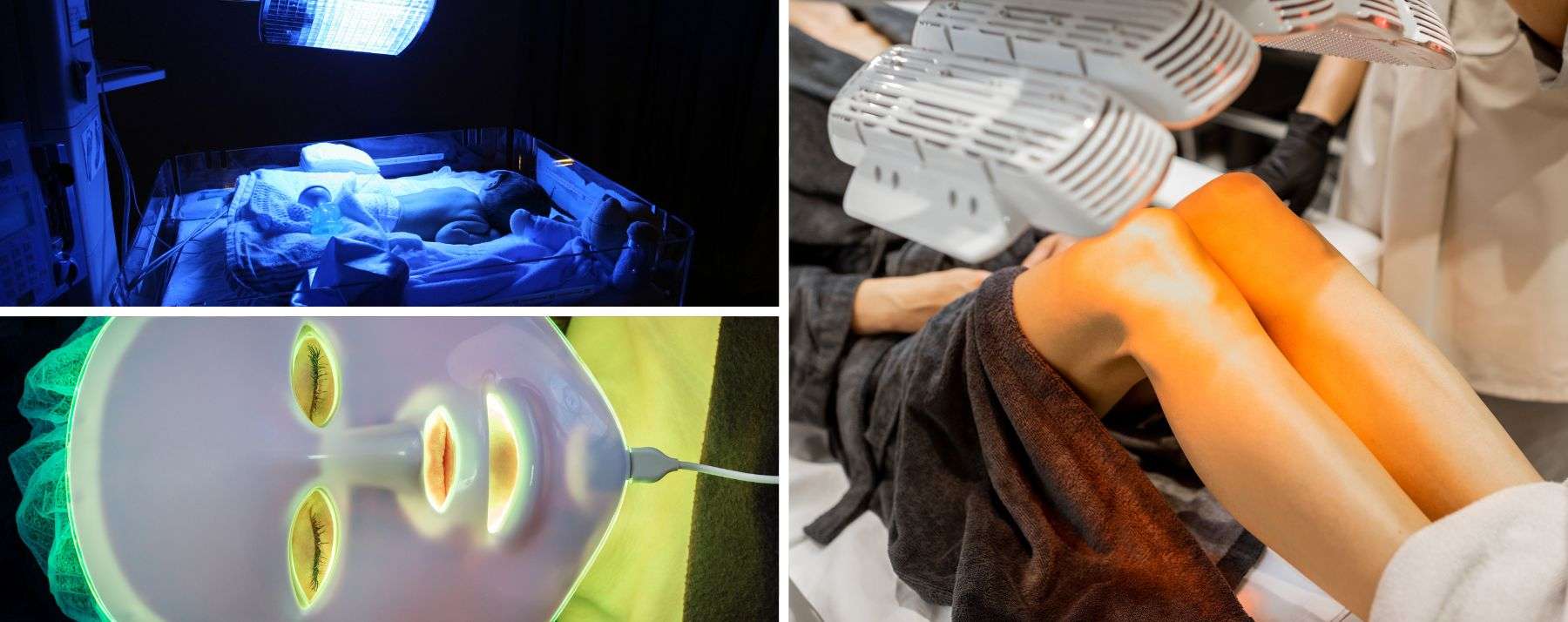
Red and blue LED phototherapy utilises specific wavelengths of light to target different aspects of skin health. Blue light, typically in the range of 405-470 nm, is primarily absorbed by porphyrins produced by acne-causing bacteria. This absorption leads to the production of reactive oxygen species, which effectively kill the bacteria, thereby reducing acne lesions and inflammation.
Red light, with wavelengths between 630-660 nm, penetrates deeper into the skin, promoting cellular repair and regeneration. It stimulates collagen production and is ideal for the cosmetic treatment of periorbital wrinkles.
Patient Benefits
- Non-Invasive and Painless: Unlike some traditional therapies for chronic skin conditions, red and blue LED phototherapy is non-invasive and painless. This makes it an appealing option for patients who may be apprehensive about more aggressive treatments.
- Reduced Inflammation and Bacterial Load: For acne patients, blue light therapy directly targets and reduces the bacterial load, minimising the severity and frequency of breakouts.
- Improved Skin Appearance: Over time, red LED therapy can lead to smoother, more even-toned skin due to its ability to stimulate collagen production and reduce pigmentation issues. This cosmetic benefit is a significant psychological boost for patients dealing with visible skin conditions.
Benefits for Medical and Care Facilities
- Cost-Effective Treatment Modality: LED phototherapy systems are relatively low-cost to operate once installed. They do not require consumables, and the equipment has a long lifespan, making it a cost-effective treatment option for facilities.
- Reduced Need for Pharmaceuticals: By integrating LED phototherapy into treatment protocols, facilities can potentially reduce reliance on antibiotics, corticosteroids, and other pharmaceuticals. This not only cuts costs but also minimises the risk of side effects and antibiotic resistance.
- Improved Patient Compliance: The non-invasive, quick, and pain-free nature of LED phototherapy encourages higher patient compliance with treatment regimens. This can lead to better outcomes and reduced treatment times, freeing up resources and improving patient turnover.
- Versatility and Integration: LED phototherapy can be easily integrated into existing treatment protocols and can be used alongside other therapies, such as topical treatments or systemic medications. Its versatility makes it a valuable addition to any facility’s therapeutic arsenal.
- Positive Patient Experiences: Offering cutting-edge treatments like LED phototherapy enhances a facility’s reputation and patient satisfaction. Patients who experience relief from chronic conditions are more likely to have positive impressions of the care provided, which can translate into higher patient retention and referrals.
Conclusion
Red and blue LED phototherapy is a valuable tool in the management of chronic skin conditions, offering significant benefits for both patients and healthcare facilities. For patients, it provides an effective, non-invasive treatment option that can reduce symptoms, accelerate healing, and improve skin appearance. For medical and care facilities, it offers a cost-effective, versatile, and patient-friendly treatment modality that can enhance overall care delivery. As more studies validate its efficacy, LED phototherapy is likely to become an increasingly integral part of dermatological and therapeutic care strategies.
Integrating this technology into routine practice not only aligns with the growing demand for non-invasive treatments but also positions healthcare providers at the forefront of modern medical care, ensuring better outcomes for patients and operational efficiency for facilities.
read more Skin Health articles

Benefits and Uses of LED Phototherapy in the Medical and Care Industry
LED phototherapy, also known as light therapy, has gained widespread recognition in the medical and [...]
LED Phototherapy to Relieve Chronic Skin Conditions
Chronic skin conditions, such as psoriasis, eczema, and acne, can have a profound impact on [...]