Articles, Pelvic Rehabilitation, Women's Health
HIEMT vs. Traditional Pelvic Floor Exercises

HIEMT and traditional pelvic floor exercises both aim to strengthen the pelvic muscles, but they work in different ways and offer distinct advantages. Here’s how they compare:
HIEMT vs. Traditional Pelvic Floor Exercises
| Feature | HIEMT | Traditional Exercises (e.g., Kegels) |
|---|---|---|
| Method | Electromagnetic energy induces deep muscle contractions | Voluntary muscle contractions through targeted exercises |
| Intensity | Supramaximal contractions (stronger than voluntary exercise) | Gradual strengthening through repetition |
| Efficiency | Stimulates thousands of contractions in a short session | Requires consistent practice over weeks or months |
| Invasiveness | Non-invasive, requires no physical effort | Requires active engagement and proper technique |
| Ideal for | Postpartum recovery, incontinence, weak pelvic muscles | Preventative maintenance, mild pelvic dysfunction |
| Duration | Quick sessions (usually 20-30 minutes) | Exercises performed daily for ongoing results |
| Comfort | Painless, performed while seated or lying down | Can cause muscle fatigue if done improperly |
HIEMT offers a powerful shortcut for deep muscle activation, making it a great option for individuals with weakened pelvic muscles, post-pregnancy recovery, or chronic incontinence issues. However, traditional exercises still play a key role in long-term muscle maintenance.
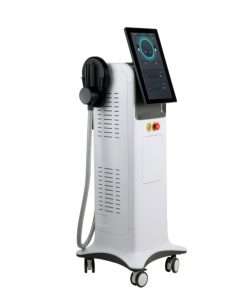
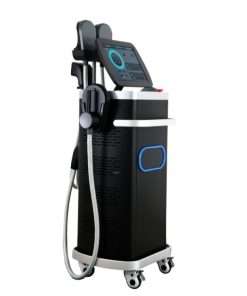
High-Intensity Electromagnetic Therapy (HIEMT)
is a non-invasive treatment that uses focused electromagnetic energy to induce deep muscle contractions, strengthening the pelvic floor and improving core stability. It has gained popularity for addressing urinary incontinence, postpartum recovery, and pelvic floor dysfunction.
How HIEMT Works:
- Supramaximal Contractions – HIEMT stimulates muscle contractions far beyond what voluntary exercises can achieve, promoting muscle hypertrophy and neuromuscular re-education.
- Pelvic Floor Strengthening – Helps restore muscle integrity, supporting the bladder and urethra to reduce incontinence.
- Postpartum Recovery – Assists women in regaining pelvic muscle strength after childbirth, improving overall function.
- Non-Invasive & Painless – Unlike surgical interventions, HIEMT requires no downtime and is comfortable for most patients.
Incorporating HIEMT into a pelvic rehabilitation plan can enhance muscle recovery and improve long-term function. Here’s how it fits alongside other treatments:
How HIEMT Complements Pelvic Rehabilitation
- Initial Strength Boost – HIEMT delivers supramaximal contractions, jumpstarting muscle activation before transitioning to traditional exercises.
- Enhanced Muscle Memory – The deep contractions re-educate muscles, making voluntary exercises like Kegels more effective.
- Support for Complex Cases – Ideal for individuals struggling with severe weakness, post-pregnancy recovery, or incontinence where standard exercises may be insufficient.
- Non-Invasive Convenience – Allows treatment without physical exertion, making it a great option for those unable to perform traditional exercises effectively.
- Maintenance & Prevention – Once muscle strength improves, ongoing pelvic floor exercises maintain results and support daily function.
Recommended HIEMT & Exercise Routine
- Weeks 1-4: HIEMT sessions (2-3 times per week) + light pelvic floor exercises
- Weeks 5-8: HIEMT tapering (1-2 times per week) + increased focus on voluntary exercises
- Weeks 9+: Transition to a maintenance routine with traditional exercises to sustain strength
Here are some specific exercises that complement HIEMT in pelvic rehabilitation:
- 1. Kegel Variations – Targeted Pelvic Floor ActivationThese exercises strengthen deep pelvic muscles, improving bladder control, core stability, and postural support.
- Basic Kegels – Begin by contracting your pelvic floor muscles (as if stopping urine mid-flow), hold for 5-10 seconds, then relax completely. Perform 10-15 repetitions, ensuring smooth and controlled movements.
- Quick Flicks – Rapidly contract and release the pelvic floor muscles 10-20 times to improve muscle responsiveness, useful for managing sudden urges or stress incontinence.
- Elevator Kegels – Imagine your pelvic muscles lifting gradually in stages, increasing contraction intensity at each “floor” before slowly releasing. This helps develop endurance and fine-tuned muscle control.
2. Core & Stability Exercises – Supporting Pelvic Integrity
Strengthening the core and pelvic floor together enhances posture, reduces lower back strain, and improves pelvic support.
- Bridge Pose – Lie on your back with knees bent and feet hip-width apart. Engage the glutes, core, and pelvic floor, then lift your hips while maintaining a neutral spine. Hold for 5-10 seconds, lower slowly, and repeat 10-12 times.
- Pelvic Tilts – Lie on your back with knees bent. Gently tilt your pelvis by drawing the belly button toward the spine, flattening your lower back against the floor. Hold for 5 seconds, repeat 10 times.
- Transverse Abdominis Activation – In a seated or lying position, take a deep breath, then exhale while pulling your lower abdomen inward, imagining a corset tightening. Hold for 5-10 seconds, repeat 10 times.
3. Functional Movements – Enhancing Stability & Muscle Coordination
Building strength in natural movements improves everyday function and enhances pelvic muscle engagement.
- Squats – Stand with feet shoulder-width apart. Slowly lower into a squat, keeping the spine neutral and engaging the pelvic floor. Hold for 3 seconds, push through the heels to stand, repeat 10-12 times.
- Lunges – Step forward into a lunge, lowering until both knees form 90-degree angles, keeping the pelvic muscles engaged. Push back to start position. Alternate legs for 10 reps per side.
- Dead Bug Exercise – Lie on your back, extend arms upward and bend knees to 90 degrees. Slowly lower one arm and opposite leg, engaging the deep core muscles, then return to start. Repeat 10 times per side.
4. Relaxation & Coordination – Balancing Strength with Mobility
These exercises reduce tension, improve coordination, and enhance overall pelvic function.
- Diaphragmatic Breathing – Lie or sit comfortably. Inhale deeply through your nose, expanding your belly, then exhale slowly while gently engaging the pelvic floor. Repeat 10 times, focusing on relaxation.
- Yoga & Pilates Movements – Incorporate child’s pose, cat-cow stretches, or gentle spinal twists to release pelvic tension, improve flexibility, and enhance body awareness.
How These Exercises Complement HIEMT
HIEMT stimulates deep muscle contractions, improving baseline strength and responsiveness—but maintaining results requires engaged movement and daily muscle activation. Integrating these exercises alongside HIEMT sessions will:
✅ Improve voluntary muscle control
✅ Enhance long-term strength and endurance
✅ Reduce pelvic discomfort and instability
✅ Prevent relapse of symptoms like incontinence or pelvic pain