


Muscle Strengthening Technologies for the Elderly
As aged care facilities strive to provide the highest standard of care, the adoption of innovative technologies like HIEMT is crucial. By offering a non-invasive, effective solution for building core strength and managing incontinence, HIEMT represents a significant advancement in elderly care. Its ability to improve physical health, reduce the risk of falls, and enhance overall quality of life makes it an invaluable tool in the pursuit of better aging.
Key Benefits:
- Improves core strength improving mobility, reducing fall risk and quality of life.
- Stimulates muscle contractions, making it ideal for those with limited mobility or incapacitation.
- Promotes blood circulation, enhancing the delivery of oxygen and nutrients to healing tissues.
- Improves pelvic strength and incontinence for greater confidence.
What is HIEMT?
Discover the Benefits and Function of HIEMT Technology


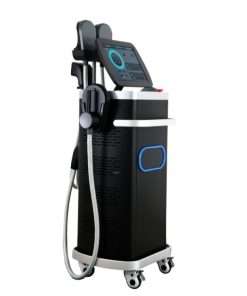
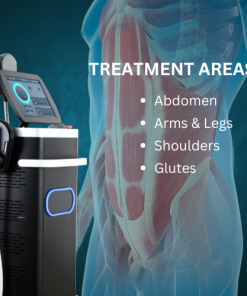


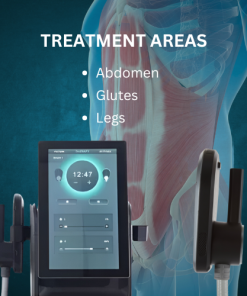
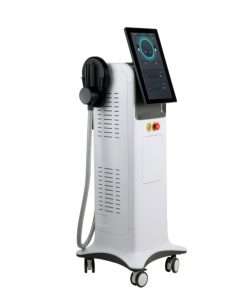
The Benefits of HIEMT in Aged Care
HIEMT Benefits for Aged Care Facilities
High-Intensity Electromagnetic Muscle Stimulation (HIEMT) technology is emerging as a transformative solution in aged care facilities, offering a range of benefits that enhance the quality of life for elderly residents. Here are some key advantages of incorporating HIEMT technology into aged care settings:
1. Improved Muscle Strength and Function:
- HIEMT technology induces supramaximal muscle contractions, which can significantly improve muscle strength and function in elderly patients. This is particularly beneficial for those experiencing sarcopenia (age-related muscle loss), helping them regain strength and mobility.
2. Enhanced Mobility and Independence:
- By strengthening core and lower body muscles, HIEMT can enhance mobility, allowing residents to perform daily activities with greater ease. Improved mobility can lead to increased independence, reducing the need for assistance in daily tasks.
3. Management of Urinary Incontinence:
- HIEMT technology effectively targets pelvic floor muscles, providing a non-invasive treatment option for urinary incontinence, a common issue among elderly women. By strengthening these muscles, residents can experience fewer incontinence episodes, leading to improved confidence and quality of life.
4. Pain Relief and Rehabilitation:
- The stimulation provided by HIEMT can promote blood circulation and reduce muscle tension, offering pain relief for residents with chronic pain conditions. This can be particularly beneficial in rehabilitation settings, aiding recovery from injuries or surgeries.
5. Fat Reduction and a Healthier Body:
- HIEMT technology not only builds muscle but also promotes fat reduction. This dual action can help elderly residents achieve a healthier body composition, which is essential for overall health and well-being.
6. Non-Invasive and Painless Treatment:
- HIEMT treatments are non-invasive and generally painless, making them an attractive option for elderly patients who may be apprehensive about more invasive procedures. The lack of downtime allows residents to resume their daily activities immediately after treatment.
7. Boosted Mental Well-Being:
- Improved physical health and mobility can lead to enhanced mental well-being. Residents who experience increased strength and independence often report higher levels of satisfaction and a better overall mood.
8. Comprehensive Care Approach:
- Incorporating HIEMT technology into aged care facilities aligns with a holistic approach to health care, addressing both physical and emotional needs. This comprehensive care model can lead to better health outcomes and a higher quality of life for residents.
9. Cost-Effective Solution:
- By improving muscle strength and reducing the risk of falls and injuries, HIEMT technology can potentially lower healthcare costs associated with hospitalisations and long-term care needs.
10. Training and Support for Staff:
- Implementing HIEMT technology in aged care facilities comes with training and support for staff, ensuring they are well-equipped to use the technology effectively and safely. This enhances the overall care provided to residents.
Conclusion:
HIEMT technology offers a multitude of benefits for aged care facilities, from improving muscle strength and mobility to managing urinary incontinence and enhancing overall quality of life. By integrating this innovative technology into their care programs, aged care facilities can provide residents with the tools they need to lead healthier, more independent lives. As the demand for effective and compassionate care continues to grow, HIEMT stands out as a valuable addition to the aged care landscape.
HIEMT for Elderly Care Study Summary
- Study Overview:
- The study focused on the simultaneous application of High-Intensity Electromagnetic Muscle Therapy (HIEMT) and synchronised Radiofrequency (RF) to strengthen core muscles in elderly patients.
- The research aimed to improve core muscle strength, quality of life, and functional status in individuals aged 60-75 years with BMI < 35 kg/m2.
- The treatment involved four abdominal HIEMT+RF and six pelvic floor HIEMTsessions over 6 weeks.
- The study included 39 subjects (26 females, 13 males) who underwent biofeedback pressure measurements, waist circumference assessments, and a Subject Satisfaction and Experience Questionnaire.
- Primary Outcomes:
- Biofeedback pressure measurements showed a significant increase in core muscle strength by 33.7% at the 3-month follow-up.
- Waist circumference exhibited a gradual reduction of -3.1 cm on average, with some patients achieving a reduction of up to -10 cm.
- The Subject Satisfaction and Experience Questionnaire revealed an overall satisfaction rate of 74.2%, with high percentages of patients reporting improvements in various aspects like body movement, flexibility, balance, and urinary incontinence.
- Secondary Outcomes:
- Subjects reported high satisfaction with treatment outcomes, with more than 85% experiencing improved body movement, urinary incontinence, and core strength.
- Over 75% of patients felt enhancements in flexibility, back discomfort, and daily activity performance.
- The treatment led to improvements in posture, stability, workout performance, balance, and leisure activities for the majority of patients.
- Notable reductions in discomfort while carrying items, increased walking distances, and better self-care abilities were reported by more than 60% of patients.
- Around 50% of patients noted improvements in sexual performance and overall ability to care for themselves.
- Safety and Adverse Events:
- No serious adverse events were observed during the study, with one patient developing a small blister on the abdomen that healed without complications.
- Subjects did not report discomfort during or after treatments, allowing them to resume daily activities immediately.
- Methodological Considerations:
- The study employed statistical analyses like ANOVA Repeated Measures to assess the significance of results.
- Future research directions may include longer follow-up periods, inclusion of more male subjects for gender-specific analysis, and additional objective measures like MRI for muscle tissue evaluation.
This comprehensive summary highlights the positive impact of the HIEMT and HIEMT+RF treatments on core muscle strength, quality of life, and functional abilities in elderly individuals, emphasising the potential benefits of these non-invasive technologies for enhancing overall well-being.
Duncan D, Kent DE, Appelbaum E (2023) The Improvement in Quality of Life and Core Muscle Strength in Elderly Patients by Simultaneous Application of HIEMTwith Synchronized Radiofrequency. J Geriatr Med Gerontol 9:151. doi.org/10.23937/2469-5858/1510151
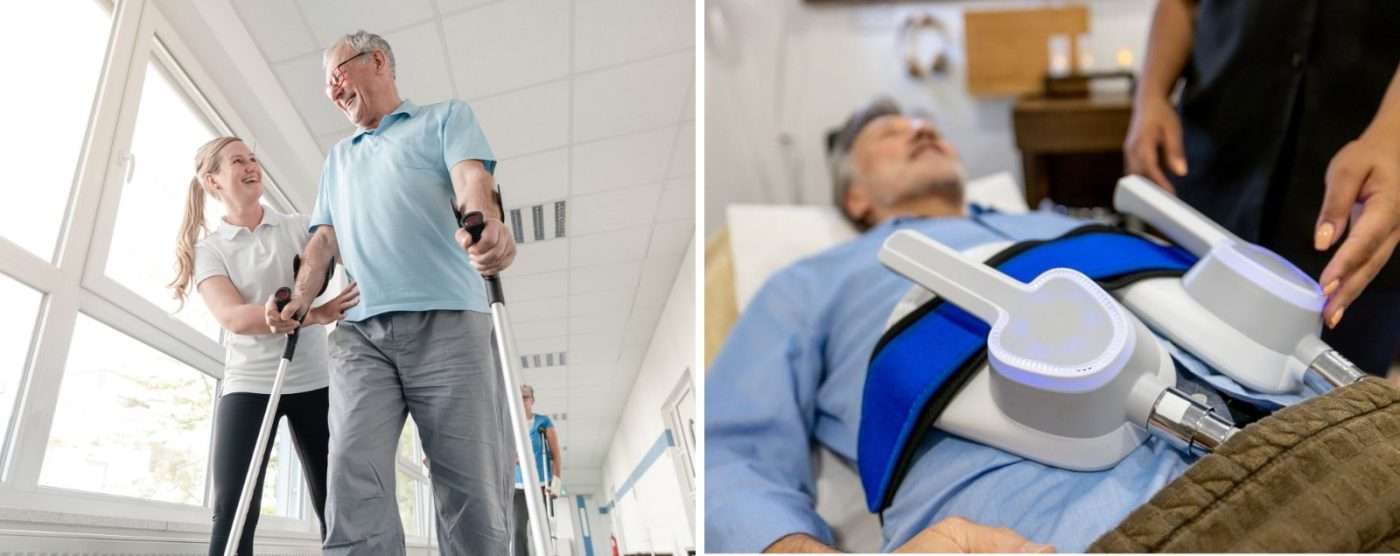
Enhancing Aged Care with HIEMT: Building Core Strength and Managing Incontinence
In the landscape of aged care, the focus on improving residents’ quality of life is more critical than ever. As the aging population grows, so does the need for innovative solutions that address common issues such as muscle weakness and urinary incontinence. High-Intensity Electromagnetic Muscle Therapy (HIEMT) is emerging as a transformative tool in this context, offering non-invasive, effective treatment options that significantly enhance the well-being of elderly residents. Learn more about how HEIMT technology works CLICK HERE.
The Challenge of Core Muscle Weakness in the Elderly
Core muscle strength plays a vital role in maintaining balance, posture, and overall mobility. However, as people age, muscle atrophy and decreased physical activity often lead to weakened core muscles, increasing the risk of falls and reducing the ability to perform daily activities independently. In aged care facilities, this decline not only impacts residents’ physical health but also their mental well-being and quality of life.
The Impact of Incontinence on Quality of Life
Urinary incontinence is another prevalent issue among the elderly, affecting up to 50% of those in aged care settings. This condition, often stemming from weakened pelvic floor muscles, can lead to embarrassment, social isolation, and a significant reduction in quality of life. Traditional treatments like pelvic floor exercises can be challenging for elderly individuals, especially those with cognitive impairments or physical limitations.
HIEMT: A Revolutionary Approach
HIEMT works by delivering focused electromagnetic energy to the target muscle groups, inducing supramaximal contractions that are far more intense than those achieved through voluntary exercise. These contractions lead to muscle hypertrophy and strengthening, effectively reversing the muscle atrophy that is common in the elderly. For core muscles, this means improved stability, better posture, and enhanced ability to engage in daily activities without assistance.
When applied to the pelvic floor, HIEMT strengthens the muscles responsible for bladder control, providing a powerful intervention for urinary incontinence. Studies have shown that HIEMT can lead to significant improvements in continence, reducing the need for incontinence pads and associated care, and restoring dignity to residents.
Benefits for Aged Care Facilities
For aged care facilities, the integration of HIEMT technology offers several compelling benefits. Firstly, it provides a time-efficient and non-invasive treatment option that requires minimal staff involvement. Sessions typically last around 30 minutes, and residents can immediately return to their daily activities, ensuring minimal disruption to the facility’s routine.
Moreover, by improving core strength and managing incontinence, HIEMT reduces the risk of falls and associated injuries, which are a significant concern in aged care. This not only enhances the safety and well-being of residents but also reduces the burden on healthcare resources, lowering the incidence of hospitalisations and the associated costs.
Enhancing Quality of Life
The ultimate benefit of HIEMT in aged care is the enhancement of residents’ quality of life. By addressing core muscle weakness and urinary incontinence, HIEMT empowers elderly individuals to live more independently, with greater confidence and comfort. This not only improves their physical health but also has a profound impact on their mental and emotional well-being, fostering a more positive and active lifestyle within the facility.
Conclusion
As aged care facilities strive to provide the highest standard of care, the adoption of innovative technologies like HIEMT is crucial. By offering a non-invasive, effective solution for building core strength and managing incontinence, HIEMT represents a significant advancement in elderly care. Its ability to improve physical health, reduce the risk of falls, and enhance overall quality of life makes it an invaluable tool in the pursuit of better aging.
Duncan D, Kent DE, Appelbaum E (2023) The Improvement in Quality of Life and Core Muscle Strength in Elderly Patients by Simultaneous Application of HIEMT with Synchronized Radiofrequency. J Geriatr Med Gerontol 9:151. doi.org/10.23937/2469-5858/1510151

What Is Pelvic Rehabilitation?
What Is Pelvic Rehabilitation Physiotherapy? Pelvic rehabilitation physiotherapy is a specialised area of physiotherapy that [...]

6 Rehabilitation Uses for HIEMT Technology Transforming Healthcare in 2025
6 Rehabilitation Uses for HIEMT Technology Transforming Healthcare in 2025 As the healthcare industry continues [...]

Enhancing Quality of Life Through Innovative Muscle Strengthening Technologies for the Elderly
Enhancing Quality of Life Through Innovative Muscle Strengthening Technologies for the Elderly As the global [...]
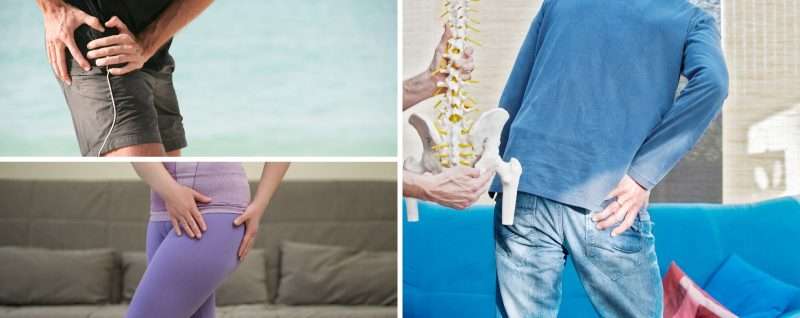
Electrical Muscle Stimulation (EMS) for Hip Osteoarthritis Management
Possible Role for Electrical Muscle Stimulation (EMS) for Hip Osteoarthritis Management Introduction: Hip osteoarthritis (OA) [...]

Muscle Stimulation for Incapacitated Patients
Incapacitated patients, whether due to injury, illness, or prolonged immobility, face numerous challenges in maintaining [...]
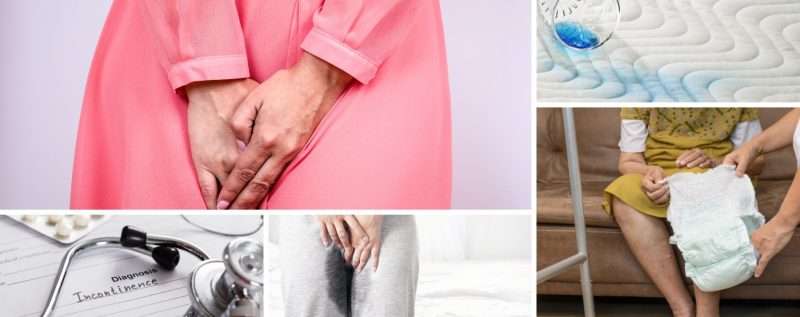
Incontinence Treatment with HIEMT
Incontinence is a common issue affecting millions of individuals, particularly women and the elderly. It [...]
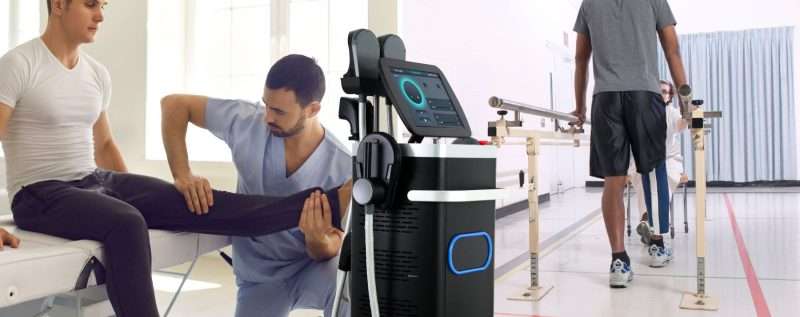
Rehabilitation with HIEMT
High-Intensity Electromagnetic Muscle Therapy (HIEMT) is transforming the landscape of rehabilitation and physical therapy. This [...]
