


HIEMT Training Contents
The history of High-Intensity Electromagnetic Muscle Therapy (HIEMT)
- Early Beginnings: Electromagnetic Therapy in Medicine
- Foundation of Focused Electromagnetic Stimulation
- Initial Use in Medical and Therapeutic Applications
- Rise of HIEMT in Aesthetic Medicine
- Continued Innovation and Expansion
Future Directions and Research
Advantages of HIEMT Across Rehabilitation, Physiotherapy, and Aged Care
HIEMT FAQ General (Frequently Asked Questions)
HIEMT FAQ for Rehabilitation, Physiotherapy, and Aged Care
The Science of HIEMT and How It Works
- Electromagnetic Stimulation
- Supramaximal Contractions
- Metabolic and Cellular Response
- Impact on Muscle Hypertrophy and Hyperplasia
- Targeting Specific Muscle Groups
- Safety and Efficacy
- Non-Invasive and Minimal Downtime
Summary of HIEMT’s Mechanism of Action:
HIEMT Risks and Contraindications
- Common Risks and Side Effects of HIEMT
- Contraindications for HIEMT Use in Rehabilitation, Physiotherapy, and Aged Care
- Special Considerations for Aged Care
- Safe HIEMT Application in Rehabilitation and Physiotherapy
- Monitoring and Follow-Up
- Muscle Soreness and Fatigue
- Risk of Muscle or Tendon Strain
- Bone and Joint Risks
- Cardiovascular Risks
- Risk of Worsening Hernias
- Fall Risk Due to Temporary Weakness
- Nerve Stimulation Risks
- Aggravation of Existing Medical Devices
- Settings Adjustments for Rehabilitation, Physio, and Aged Care
- Placement for Specific Rehabilitation and Physiotherapy Goals
- General Considerations for Safe HIEMT Use in Aged Care and Rehabilitation
- Sample HIEMT Protocols for Rehabilitation and Aged Care
- Adjustments for Different Goals and Conditions
- Monitoring and Adjusting Treatment Frequency
- Example Schedules for Rehabilitation, Physiotherapy, and Aged Care
- Discomfort or Pain During Treatment
- Muscle Fatigue or Excessive Soreness After Treatment
- Applicator Slippage or Poor Contact
- Patient Anxiety or Fear of the Sensation
- Inconsistent Results or Low Treatment Efficacy
- Interference with Medical Devices
- Weak or No Contraction Response
- Electrical Sensation or Tingling in Surrounding Areas
- Skin Redness or Irritation
- Immediate Aftercare Recommendations
- Pain and Soreness Management
- Patient Education for Long-Term Care
- Nutrition for Muscle Recovery.
- Follow-Up and Ongoing Monitoring
The history of High-Intensity Electromagnetic Muscle Therapy (HIEMT)
The history of High-Intensity Electromagnetic Muscle Therapy (HIEMT) is rooted in the quest for non-invasive technologies to improve muscle tone, strength, and body contouring. Originally inspired by medical research and evolving along with advancements in electromagnetic technology, HIEMT has developed into a prominent therapeutic tool in both clinical and aesthetic practices. Here’s an overview of its evolution:
1. Early Beginnings: Electromagnetic Therapy in Medicine
Electromagnetic therapy, in general, has been studied for decades for its potential effects on the human body. Initial investigations into electromagnetic fields (EMFs) focused on their ability to impact cellular processes and stimulate muscle contractions. Early experiments in the 1970s and 1980s used low-frequency electromagnetic pulses to promote healing in injured tissues and reduce pain. These studies laid the groundwork for understanding how electromagnetic stimulation could benefit muscle recovery and other rehabilitative therapies.
2. Foundation of Focused Electromagnetic Stimulation
As research progressed, scientists discovered the potential for high-intensity, focused electromagnetic fields to induce supramaximal contractions—muscle contractions beyond what voluntary action could achieve. By using specifically designed magnetic fields to penetrate deep into muscle tissue, researchers found they could produce muscle contractions that were stronger and more sustained than those created by voluntary effort or traditional physical therapy devices.
The concept of high-intensity focused electromagnetic energy came to the forefront in the late 2000s, focusing on activating motor neurons to improve muscle strength and tone. This led to the initial development of electromagnetic devices designed to enhance muscle activity and improve outcomes in rehabilitation.
3. Initial Use in Medical and Therapeutic Applications
By the 2010s, advances in technology allowed for the creation of electromagnetic devices capable of precisely targeting muscle groups. This made it possible to apply high-intensity electromagnetic energy for muscle rehabilitation following injuries, surgeries, or in conditions that affected muscle strength, such as post-stroke recovery.
Medical professionals began to explore HIEMT technology for its therapeutic benefits, including its ability to promote muscle hypertrophy (growth) and hyperplasia (increase in cell number), both essential in muscle building and recovery. HIEMT also gained attention for its potential use in treating conditions like sarcopenia (age-related muscle loss) and other muscular atrophy conditions, broadening its applications in physical therapy and rehabilitation.
4. Rise of HIEMT in Aesthetic Medicine
Around 2018, the benefits of HIEMT for body contouring started gaining recognition, particularly in the aesthetics industry. This period marked a turning point for HIEMT as manufacturers and researchers highlighted its unique ability to build muscle while reducing fat, addressing two key areas of body aesthetics that had previously been difficult to treat non-surgically.
HIEMT devices for aesthetics were promoted as a solution for enhancing muscle tone and improving body contours, especially for the abdomen, buttocks, arms, and thighs. Clinics that initially used HIEMT for medical purposes found the aesthetic applications equally compelling, as these devices could reduce subcutaneous fat while building muscle, achieving what traditional fat-reduction techniques couldn’t.
5. Continued Innovation and Expansion
Since its entry into aesthetic medicine, HIEMT technology has continued to evolve. Modern HIEMT machines now feature more refined, user-friendly designs with adjustable settings that allow clinicians to tailor treatments for each patient’s needs. The devices are equipped with more advanced cooling systems, higher energy outputs, and better safety protocols, making HIEMT a viable and accessible option in more clinics.
Today, HIEMT is recognized for its dual role in both medical rehabilitation and aesthetic enhancement. It is utilized by physiotherapists to improve muscle function and by aesthetic practitioners to offer non-surgical body contouring. Its versatility and effectiveness have led to its adoption in sports medicine, postpartum recovery, and wellness centers, allowing people to benefit from HIEMT for strength-building, muscle recovery, and cosmetic improvement.
Future Directions and Research
Current research in HIEMT technology is focused on broadening its applications further, particularly in specialized healthcare areas like sports recovery, pain management, and treatment of musculoskeletal conditions. There is ongoing research to better understand its long-term effects and potential in new areas, including pelvic floor strengthening for postpartum women and managing chronic pain. Technological advancements may also bring about more compact, portable versions of HIEMT devices, making it even more accessible.
Overall, the history of HIEMT reflects a journey from a medical innovation aimed at muscle recovery to a versatile tool that spans the spectrum from therapeutic rehabilitation to aesthetic enhancement.
HIEMT What is it?
High-Intensity Electromagnetic Muscle Therapy (HIEMT) is an advanced, non-invasive treatment that uses high-intensity focused electromagnetic fields to stimulate and strengthen muscles. This technology is widely recognized for its ability to generate deep, involuntary muscle contractions, surpassing what can be achieved through voluntary exercise. Here’s how HIEMT is used in the fields of rehabilitation, physiotherapy, and aged care:
1. HIEMT in Rehabilitation
In rehabilitation, HIEMT is used to promote muscle recovery, strength, and functional improvement after injury, surgery, or periods of immobilization. Since HIEMT can produce supramaximal contractions (stronger than those achieved through regular exercise), it can significantly enhance muscle activation and hypertrophy (growth), essential for rebuilding strength and mobility.
Benefits in Rehabilitation:
- Accelerated Muscle Recovery: HIEMT helps patients rebuild muscle mass more quickly, essential after injury or surgery when traditional exercise might not be possible.
- Targeted Muscle Strengthening: Clinicians can focus the HIEMT device on specific muscle groups, improving muscle function and range of motion in targeted areas.
- Improved Muscle Coordination: The intense contractions induced by HIEMT improve muscle coordination and control, helping patients regain better motor function.
2. HIEMT in Physiotherapy
In physiotherapy, HIEMT complements traditional exercises and therapy modalities, offering physiotherapists a powerful tool to strengthen muscles and support functional recovery. It is particularly useful for individuals who struggle to engage in traditional physical therapy exercises due to weakness, pain, or other limitations.
Key Applications in Physiotherapy:
- Core Muscle Strengthening: HIEMT is effective in building core strength, essential for posture, stability, and preventing injury.
- Postpartum Recovery: HIEMT is increasingly used to help postpartum women regain abdominal and pelvic muscle strength, which is essential for stabilizing the core and alleviating issues like incontinence.
- Pain Relief and Muscular Balance: Stronger muscles and improved muscular balance can help reduce joint pain and prevent re-injury by distributing physical load more evenly.
3. HIEMT in Aged Care
For older adults, HIEMT offers a safe, non-invasive way to combat muscle atrophy and promote better mobility and quality of life. Muscle strength naturally declines with age, leading to sarcopenia (muscle loss) and reduced mobility, both of which can impact independence and increase the risk of falls and fractures. HIEMT provides a practical solution to address these challenges.
Benefits for Aged Care:
- Counteracting Sarcopenia: HIEMT can slow down muscle loss and improve overall muscle function, helping older adults maintain strength.
- Reduced Fall Risk: Strengthening muscles, especially in the legs and core, can improve balance and coordination, reducing the likelihood of falls.
- Increased Independence: HIEMT contributes to greater mobility and autonomy, as stronger muscles support daily activities without requiring as much caregiver assistance.
Advantages of HIEMT Across Rehabilitation, Physiotherapy, and Aged Care
- Non-Invasive and Safe: HIEMT is non-surgical and doesn’t require medication, which makes it safe for a broad range of patients, including older adults.
- Quick, Effective Sessions: Each session typically takes around 30 minutes, with no downtime, making it a convenient option for patients with limited time or mobility.
- High-Intensity Muscle Activation Without Physical Strain: For patients who can’t physically perform strenuous exercise, HIEMT offers an alternative way to build muscle strength with minimal physical exertion.
HIEMT’s versatility and effectiveness make it a valuable asset in therapeutic settings. Its growing popularity in rehabilitation, physiotherapy, and aged care is transforming patient outcomes and enhancing quality of life across various demographics.
HIEMT FAQ General (Frequently Asked Questions)
1. What is HIEMT?
HIEMT, or High-Intensity Electromagnetic Muscle Therapy, is a non-invasive treatment that uses high-intensity focused electromagnetic fields to stimulate and strengthen muscles. By inducing powerful, involuntary muscle contractions, HIEMT promotes muscle growth, fat reduction, and improved muscle tone.
2. How does HIEMT work?
HIEMT uses electromagnetic energy to target muscles, causing deep and intense contractions known as “supramaximal contractions.” These contractions are stronger and more frequent than those achievable through voluntary exercise, leading to muscle strengthening, toning, and, in some cases, fat reduction.
3. Who can benefit from HIEMT?
HIEMT can benefit a wide range of individuals, including:
- Athletes and Active Individuals: For improved muscle tone and performance.
- Postpartum Women: For core and abdominal strengthening.
- Patients in Rehabilitation: For muscle rebuilding after injury or surgery.
- Older Adults in Aged Care: For muscle maintenance and fall prevention.
- People Seeking Aesthetic Body Contouring: For targeted toning and body shaping.
4. Is HIEMT safe?
Yes, HIEMT is considered safe for most people when performed by a qualified professional. It’s a non-invasive, drug-free treatment with minimal side effects. Typical side effects may include temporary muscle soreness similar to an intense workout.
5. How is HIEMT used in rehabilitation?
HIEMT is commonly used in rehabilitation to support muscle recovery and strengthening after injury, surgery, or periods of immobility. By stimulating specific muscle groups, HIEMT can help accelerate recovery, restore strength, and improve coordination, even when patients are unable to perform traditional exercise.
6. How is HIEMT used in physiotherapy?
In physiotherapy, HIEMT assists in strengthening weak or injured muscles, improving core stability, and increasing overall muscle function. It’s especially helpful for patients who cannot engage in strenuous exercise due to pain, muscle weakness, or post-surgical restrictions.
7. How does HIEMT benefit older adults in aged care?
HIEMT can help counteract age-related muscle loss (sarcopenia), improve muscle tone, and reduce the risk of falls by strengthening key muscle groups. For older adults who have mobility limitations, HIEMT offers a non-strenuous way to maintain muscle strength and improve independence.
8. How long is each HIEMT session?
A typical HIEMT session lasts about 20–30 minutes, depending on the treatment area and individual goals. For most patients, a series of 4–6 sessions over a few weeks is recommended to see optimal results.
9. How many HIEMT sessions are needed to see results?
Results vary depending on the individual’s fitness level, goals, and treatment area, but noticeable improvements in muscle tone and strength often appear after 4–6 sessions. Most patients see the best results within 2–4 weeks after completing their treatment series.
10. Can HIEMT help with weight loss?
HIEMT is not a weight loss solution but can reduce fat in targeted areas. By building muscle and toning, HIEMT can improve body contours and muscle definition. It’s best used in combination with a healthy diet and exercise program for comprehensive body shaping results.
11. Does HIEMT replace exercise?
No, HIEMT does not replace regular exercise, but it can complement it. HIEMT is especially helpful for individuals looking to improve muscle strength in areas they find challenging to target or for those who cannot engage in traditional workouts due to physical limitations.
12. What does HIEMT feel like?
During an HIEMT session, patients feel a series of intense muscle contractions, similar to a strenuous workout. While the intensity can be surprising initially, most people find it manageable and experience minimal discomfort during the procedure.
13. Is there any downtime after an HIEMT session?
No, there is no downtime with HIEMT. Patients can return to their daily activities immediately after a session. Some people may experience mild muscle soreness, similar to what they might feel after a workout, but this typically resolves within a day or two.
14. Are there any contraindications for HIEMT?
HIEMT is generally safe, but it may not be suitable for individuals with certain conditions, such as:
- Metal implants or pacemakers near the treatment area
- Pregnancy
- Recent surgical wounds or injury in the treatment area
- Severe muscle or joint issues It’s always important to consult with a healthcare provider to determine if HIEMT is appropriate.
15. Can HIEMT be used on any body area?
HIEMT is commonly used on the abdomen, buttocks, thighs, and arms. It can also be used to strengthen muscles in other areas, depending on the specific needs of the patient and the goals of the treatment.
16. How does HIEMT compare to other body-contouring treatments?
HIEMT differs from other body-contouring treatments like cryolipolysis (fat freezing) or radiofrequency treatments, which primarily target fat reduction. HIEMT focuses on muscle stimulation and strengthening, offering both muscle and fat reduction in one treatment, making it ideal for patients who want to tone as well as shape.
17. Is HIEMT covered by insurance?
In some cases, HIEMT treatments prescribed for medical rehabilitation or physiotherapy may be covered by insurance, though aesthetic uses are generally not covered. Coverage depends on the healthcare provider, region, and specific insurance policies.
18. How does HIEMT fit into a physiotherapy or rehabilitation program?
HIEMT can be used alongside traditional exercises and other modalities in a physiotherapy program, providing a safe and effective way to strengthen muscles when other forms of exercise are limited. It can be tailored to individual recovery needs, making it a versatile tool in rehabilitation plans.
19. What results can patients expect from HIEMT?
Patients typically experience improved muscle tone, increased strength, and enhanced definition in the treated area. Results are generally noticeable within a few weeks of treatment, with continued improvement over time.
20. How can I learn more or try a HIEMT session?
To learn more about HIEMT or to experience a session, contact a local provider specializing in HIEMT or a certified physiotherapist who offers HIEMT-based treatments. Many clinics offer consultations or trial sessions to help individuals understand the benefits firsthand.
HIEMT FAQ for Rehabilitation, Physiotherapy, and Aged Care
1. What is HIEMT?
High-Intensity Electromagnetic Muscle Therapy (HIEMT) is a non-invasive treatment that uses focused electromagnetic energy to stimulate muscle contractions. HIEMT is highly effective for strengthening muscles, improving tone, and assisting in physical recovery, making it ideal for use in rehabilitation, physiotherapy, and aged care.
2. How does HIEMT benefit rehabilitation?
HIEMT is used in rehabilitation to strengthen weakened muscles and support recovery after injury or surgery. By inducing powerful, involuntary muscle contractions, HIEMT can rebuild muscle mass, improve coordination, and accelerate recovery, even when patients may have limited ability to exercise.
3. What role does HIEMT play in physiotherapy?
In physiotherapy, HIEMT serves as a supportive therapy for muscle conditioning and core strengthening, particularly for individuals who find traditional exercises challenging. It is useful for post-surgery recovery, building core stability, and improving muscle function, allowing physiotherapists to target specific muscle groups effectively.
4. How does HIEMT support older adults in aged care?
For older adults, HIEMT helps counteract muscle atrophy, improve strength, and enhance mobility. Regular sessions can aid in fall prevention, increase independence, and improve overall quality of life by maintaining muscle tone and joint support.
5. Is HIEMT safe for seniors?
Yes, HIEMT is generally safe for seniors, as it’s a non-invasive therapy without surgical risks or medication requirements. However, it’s important for a healthcare professional to assess the patient to ensure suitability, particularly for those with certain medical conditions or metal implants.
6. What conditions in aged care can HIEMT help with?
HIEMT can support management of conditions common in aged care, such as sarcopenia (age-related muscle loss), muscle weakness, balance issues, and reduced mobility. By strengthening muscles, HIEMT helps reduce the risk of falls and can improve independence in daily activities.
7. How does HIEMT improve core strength for patients?
HIEMT induces intense contractions in core muscles, strengthening abdominal, back, and pelvic floor muscles. Improved core strength enhances stability and balance, essential for posture, mobility, and reducing fall risk, especially for older adults and those recovering from injury.
8. Is HIEMT a replacement for exercise?
HIEMT is not a replacement for traditional exercise but serves as a supportive therapy. It’s especially useful for individuals unable to exercise due to injury, surgery, or mobility issues. For those able to exercise, HIEMT complements other exercises by providing targeted muscle strengthening.
9. How long does a HIEMT session take, and how many are needed?
A typical HIEMT session lasts about 20–30 minutes. For rehabilitation or physiotherapy purposes, a course of 4–6 sessions over a few weeks is common, though the exact number varies based on individual goals and conditions.
10. Are there any side effects from HIEMT?
HIEMT is well-tolerated, with few side effects. Some patients may experience temporary muscle soreness, similar to what they might feel after a workout, which usually subsides within a day or two. There is no downtime, and patients can resume daily activities immediately.
11. What conditions or limitations might restrict HIEMT use?
HIEMT may not be suitable for individuals with:
- Metal implants or pacemakers near the treatment area
- Pregnancy
- Recent surgical wounds in the treatment area
- Severe musculoskeletal conditions that contraindicate muscle contractions It’s essential for patients to consult with a healthcare provider to ensure suitability.
12. Can HIEMT help with post-surgery recovery?
Yes, HIEMT can support post-surgery recovery by strengthening muscles that may have weakened due to immobilization or inactivity. It promotes muscle reconditioning without requiring strenuous physical activity, which is especially beneficial during the early recovery stages.
13. How does HIEMT reduce fall risk in older adults?
HIEMT strengthens muscles critical for balance and stability, particularly in the legs, core, and hips. By improving muscle tone and joint support, HIEMT can significantly enhance stability, making falls less likely for older adults.
14. Is HIEMT covered by health insurance or Medicare?
In some cases, HIEMT treatments prescribed for rehabilitation or physiotherapy purposes may be covered by health insurance, though coverage varies. It’s best to check with the insurance provider to confirm eligibility and requirements.
15. How does HIEMT fit into a rehabilitation or physiotherapy program?
HIEMT is often used alongside traditional physical therapy exercises and other rehabilitation methods. It can be customized to the individual’s needs and integrated into a broader plan that targets both strength and functional recovery.
16. How quickly do patients see results from HIEMT?
Patients may start noticing improvements in muscle strength and tone after 2–3 sessions, with full benefits typically emerging within a few weeks of completing the treatment course. Results can vary based on the individual’s condition, treatment area, and goals.
17. What areas of the body can HIEMT target in aged care and physiotherapy?
HIEMT can be used on several areas important for mobility and stability, including the abdomen, thighs, buttocks, back, and arms. This versatility makes it useful for strengthening muscles that support daily movements and balance in older adults or rehabilitating patients.
18. Is HIEMT painful?
No, HIEMT is generally not painful. Patients often describe the feeling as intense muscle contractions, similar to an advanced workout. Some might feel a sensation of mild muscle soreness afterward, much like they would after a gym session.
19. Can HIEMT help with incontinence or pelvic floor issues?
Yes, HIEMT is highly effective for pelvic floor strengthening, which can be beneficial for patients experiencing incontinence or pelvic floor issues. It’s especially useful in postpartum recovery and for aging adults with weakened pelvic muscles.
20. How can I find a provider offering HIEMT for rehabilitation, physiotherapy, or aged care?
To find a provider, look for licensed rehabilitation centers, physiotherapy clinics, or aged care facilities with HIEMT-certified staff. Many centers offer consultations to help patients understand how HIEMT might fit into their recovery or wellness goals.
The Science of HIEMT and How It Works
High-Intensity Electromagnetic Muscle Therapy (HIEMT) leverages the power of electromagnetic energy to induce muscle contractions that are more intense than those achievable through voluntary exercise. This technology is based on principles of electromagnetic induction and muscle physiology, combining advanced engineering with clinical science to stimulate muscle growth, strength, and improved tone.
Here’s a breakdown of how HIEMT works and the science behind it:
1. Electromagnetic Stimulation
HIEMT uses High-Intensity Electromagnetic Muscle Therapy fields to deliver energy deep into the muscle tissues. This energy, created by rapidly alternating magnetic fields, generates electric currents in the muscle tissues without physically touching them. The currents cause the muscle fibers to contract involuntarily, producing what’s known as supramaximal contractions, which are much stronger and more sustained than voluntary contractions.
Key Points:
- Electromagnetic Field Generation: The device creates a magnetic field that alternates rapidly, causing the targeted muscles to contract and relax.
- Depth of Penetration: Electromagnetic energy penetrates skin and fat layers to reach deeper muscle tissues, engaging both superficial and deep muscle fibers that may be difficult to target through regular exercise.
2. Supramaximal Contractions
During a typical HIEMT session, the device induces supramaximal contractions in the targeted muscle group. Supramaximal contractions involve nearly 100% of the muscle fibers in the targeted area and are sustained for several seconds at a time, far beyond what is achievable through normal exercise.
Why Supramaximal Contractions Matter:
- Increased Muscle Fiber Recruitment: Normal voluntary muscle contractions activate around 50–70% of muscle fibers, while HIEMT can recruit up to 100%, resulting in much more effective stimulation.
- Muscle Growth and Hypertrophy: The intensity of these contractions leads to muscle hypertrophy (growth) and hyperplasia (new muscle fiber formation), building both the size and number of muscle fibers.
3. Metabolic and Cellular Response
When muscles are subjected to these intense contractions, they respond by adapting to the stress, a process similar to the natural adaptation that occurs with physical exercise but at an accelerated rate. The body’s response includes both immediate energy consumption and long-term muscle strengthening.
Key Physiological Responses:
- Enhanced Muscle Metabolism: To sustain the intense contractions, muscle cells consume energy rapidly, which helps increase their metabolic rate and endurance.
- Muscle Fiber Changes: The repeated contractions cause micro-tears in the muscle fibers, triggering cellular repair processes that result in stronger and larger muscles.
- Fat Metabolism: In addition to muscle activation, the increased metabolic demand in the muscle tissue can lead to lipolysis, or fat breakdown, in surrounding fat cells, supporting body contouring and reduction in localized fat.
4. Impact on Muscle Hypertrophy and Hyperplasia
Unlike voluntary muscle contractions, HIEMT induces contractions that are continuous and at a very high intensity. The muscle’s physiological response includes not only hypertrophy (increase in size of muscle fibers) but also hyperplasia (increase in the number of muscle fibers).
Muscle Hypertrophy and Hyperplasia Benefits:
- Strengthened Muscles: With hypertrophy, muscle fibers become thicker and denser, leading to increased muscle strength.
- New Muscle Growth: Hyperplasia contributes to a greater number of muscle fibers, which can improve overall muscle function, endurance, and resistance to fatigue.
5. Targeting Specific Muscle Groups
One of the distinct advantages of HIEMT is its ability to selectively target specific muscle groups, making it highly versatile for both aesthetic and therapeutic applications. HIEMT can be applied to muscle groups in the abdomen, buttocks, thighs, arms, and pelvic floor.
Application in Physiotherapy and Rehabilitation:
- Core Strengthening: Core muscles are crucial for posture, stability, and balance, especially in rehabilitation settings.
- Pelvic Floor Therapy: HIEMT has shown promising results in strengthening the pelvic floor muscles, which can aid with incontinence and postpartum recovery.
- Rehabilitation of Injured Muscles: For patients who cannot engage in conventional strength training, HIEMT offers a safe alternative to improve muscle strength and coordination.
6. Safety and Efficacy
HIEMT is considered a safe and effective therapy for various applications, including muscle toning, body contouring, and therapeutic muscle strengthening. The technology is FDA-cleared for muscle strengthening and is supported by clinical studies showing improvements in muscle tone and fat reduction.
Clinical Findings on HIEMT Efficacy:
- Muscle Volume Increase: Clinical studies indicate that HIEMT treatments can increase muscle mass by 16–19% on average after a series of sessions.
- Fat Reduction: HIEMT can also lead to a reduction of fat in targeted areas, with studies showing up to a 19% decrease in subcutaneous fat following treatment.
7. Non-Invasive and Minimal Downtime
HIEMT is a non-surgical and non-invasive therapy, requiring no downtime. Patients can return to normal activities immediately after a session, with most only experiencing mild muscle soreness, similar to post-exercise soreness.
Non-Invasive Benefits:
- No Recovery Time: Since HIEMT does not involve surgery, incisions, or injections, there is minimal risk of complications.
- Immediate Results with Continued Improvement: Patients often notice an improvement in muscle tone within a few sessions, with continued enhancement in strength and definition over the weeks following the treatment course.
Summary of HIEMT’s Mechanism of Action:
- Electromagnetic Energy creates supramaximal contractions, deeply stimulating muscle tissue.
- Supramaximal Contractions activate nearly all muscle fibers, leading to significant hypertrophy and hyperplasia.
- Cellular Adaptations to intense contractions increase muscle strength, size, and endurance.
- Metabolic Effects support both muscle strengthening and fat breakdown in the treatment area.
- Applications in rehabilitation, physiotherapy, and aged care provide benefits for muscle recovery, injury rehabilitation, core strengthening, and mobility support for older adults.
In conclusion, HIEMT offers a scientifically-backed, effective method to strengthen and tone muscles, with significant applications in both medical and aesthetic fields. It has been widely embraced by physiotherapists, rehabilitation specialists, and aged care providers as a powerful tool for enhancing patient outcomes and supporting a range of therapeutic goals.
HIEMT Risks and Contraindications
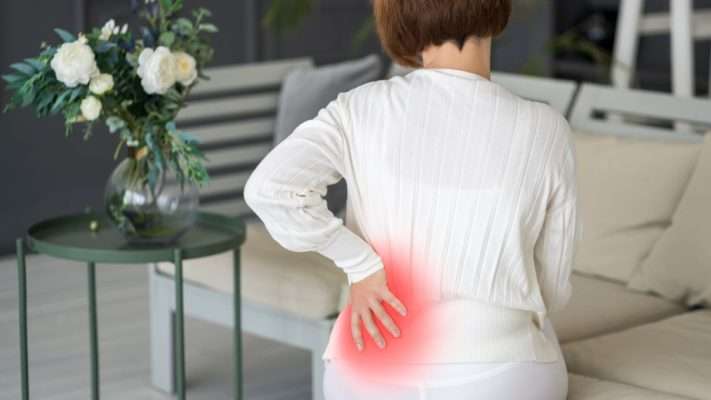
HIEMT (High-Intensity Electromagnetic Muscle Therapy) is generally safe and non-invasive, but there are specific risks and contraindications to be aware of, especially in sensitive populations like those undergoing rehabilitation, physiotherapy, and aged care. Here’s an overview of key considerations:
1. Common Risks and Side Effects of HIEMT
Though HIEMT is well-tolerated by most, certain mild, short-term effects can occur. Understanding these risks is important for effective and safe use in rehabilitation and aged care settings.
- Muscle Soreness: HIEMT can cause temporary soreness or fatigue in the treated area, similar to post-exercise soreness. This usually subsides within 24–48 hours.
- Mild Swelling or Redness: Some individuals may experience slight swelling, redness, or warmth in the treated area due to increased blood flow and muscle activation. This is generally temporary.
- Temporary Muscle Spasms: In rare cases, the strong contractions may lead to mild, temporary muscle spasms or cramps.
- Fatigue: Older adults and those with pre-existing weakness may feel fatigued after treatment, which should be considered, especially when scheduling sessions.
2. Contraindications for HIEMT Use in Rehabilitation, Physiotherapy, and Aged Care
HIEMT is not suitable for everyone. Careful assessment by a healthcare provider is essential before starting treatment, especially for patients with specific conditions that could be exacerbated by electromagnetic stimulation or intense muscle contractions.
Absolute Contraindications
These are conditions where HIEMT should not be used due to safety risks:
- Pregnancy: HIEMT is contraindicated for pregnant women, as the intense electromagnetic fields may interfere with fetal development.
- Metal Implants or Pacemakers: Individuals with metal implants (such as joint replacements) or electronic implants (e.g., pacemakers, neurostimulators) in or near the treatment area are advised to avoid HIEMT. The electromagnetic fields can disrupt the function of these devices or lead to excessive heat generation in metal.
- Cardiac or Vascular Conditions: Patients with significant heart conditions, history of arrhythmias, or severe vascular diseases should avoid HIEMT, as intense contractions can place stress on the cardiovascular system.
- Active Cancer or Tumors: HIEMT is not recommended for individuals with active cancer, as the effects of electromagnetic fields on cancer cells are not well understood.
- Epilepsy: Electromagnetic fields can potentially trigger seizures in individuals with epilepsy, making HIEMT unsuitable for these patients.
Relative Contraindications
In certain conditions, HIEMT may be used with caution, depending on the individual’s health status and under the supervision of a healthcare provider:
- Advanced Osteoporosis or Severe Bone Weakness: In individuals with fragile bones, particularly in aged care, the intense muscle contractions may increase fracture risk.
- Recent Surgery or Wounds in the Treatment Area: Patients who have recently undergone surgery should wait until wounds are fully healed, as HIEMT could disrupt healing or increase pain.
- Severe Neurological Disorders: For individuals with conditions affecting the nervous system (e.g., ALS, multiple sclerosis), the therapy should only be considered with medical supervision, as involuntary contractions could worsen symptoms.
- Active Infection or Inflammation: HIEMT should not be used over areas with active infection, skin lesions, or acute inflammation, as it could exacerbate these conditions.
- Hernias: Patients with hernias, especially abdominal or pelvic floor hernias, may experience increased discomfort or risk exacerbation from intense contractions in these areas.
3. Special Considerations for Aged Care
Older adults often have unique health needs and may be more vulnerable to certain risks associated with HIEMT. Here are some additional considerations:
- Muscle Atrophy and Fragility: While HIEMT can improve muscle tone, intense contractions may be too aggressive for very frail individuals or those with severe muscle atrophy. Starting with lower-intensity sessions is often safer for elderly patients.
- Fall Risk Due to Muscle Fatigue: Older adults may experience temporary muscle weakness post-session, which could increase fall risk. Scheduling sessions with sufficient recovery time and monitoring gait stability afterward is advisable.
- Osteoarthritis or Joint Conditions: In patients with significant joint degeneration, HIEMT should be used with caution, as overloading surrounding muscles could place additional strain on compromised joints.
- Careful Monitoring for Heart and Blood Pressure Responses: In aged care, it’s important to monitor cardiovascular response, especially in individuals with hypertension or history of heart conditions. HIEMT’s muscle demands may briefly affect blood pressure and pulse.
4. Safe HIEMT Application in Rehabilitation and Physiotherapy
For rehabilitation and physiotherapy purposes, ensuring that HIEMT is appropriately tailored to the patient’s health status is essential:
- Physician or Physiotherapist Assessment: Before initiating HIEMT, a thorough assessment is recommended to evaluate the patient’s muscle tone, cardiovascular health, joint stability, and any pre-existing conditions.
- Gradual Intensity Increase: Starting with shorter, lower-intensity HIEMT sessions can help gauge tolerance, especially in individuals recovering from injury or with limited mobility.
- Coordination with Physical Therapy Goals: In rehabilitation settings, HIEMT should be aligned with overall therapy goals, emphasizing muscle re-education and gradual strength building.
5. Monitoring and Follow-Up
To optimize safety, regular follow-ups and monitoring are important:
- Tracking Progress: Physiotherapists and caregivers should monitor patients’ progress to adjust intensity or frequency based on individual response.
- Watching for Delayed-Onset Muscle Soreness (DOMS): If patients experience prolonged soreness, adjustments to the treatment frequency or intensity may be needed.
- Symptom Monitoring: Any adverse symptoms (e.g., severe fatigue, joint pain, or prolonged spasms) should prompt a reassessment and possible modification or discontinuation of treatment.
Conclusion
HIEMT is a powerful tool for muscle strengthening and functional improvement, particularly beneficial in rehabilitation, physiotherapy, and aged care. However, patient safety is paramount. Contraindications, individual health assessments, and careful monitoring are essential to avoid potential risks and maximize the benefits, especially for older adults or those recovering from injury or surgery.
HIEMT Risks
While High-Intensity Electromagnetic Muscle Therapy (HIEMT) offers benefits for muscle strengthening, injury recovery, and overall physical health, it also carries some risks, particularly for individuals in rehabilitation, physiotherapy, and aged care settings. Understanding these risks helps ensure safe and effective use in vulnerable populations.
1. Muscle Soreness and Fatigue
HIEMT induces intense muscle contractions, often leading to temporary soreness or fatigue in the treated area. For those in rehabilitation or aged care, this soreness may interfere with daily activities or increase the risk of falls if muscles are temporarily weakened after treatment.
- Management Tip: Start with low-intensity sessions and increase gradually, allowing time for recovery.
2. Risk of Muscle or Tendon Strain
Older adults and patients in rehabilitation may have lower muscle elasticity and strength, making them more susceptible to strains. The intense muscle contractions from HIEMT could overstress weakened muscles or tendons, especially if they’re recovering from an injury or surgery.
- Management Tip: A thorough assessment should be performed before treatment to avoid overstressing injured or healing areas.
3. Bone and Joint Risks
In aged care, many patients have conditions like osteoporosis or osteoarthritis, which make bones more fragile and joints more vulnerable. HIEMT’s strong contractions could potentially increase the risk of bone fractures or joint pain in individuals with significant bone or joint issues.
- Management Tip: HIEMT intensity should be adjusted for individuals with joint or bone health concerns, or the treatment avoided altogether in cases of advanced osteoporosis.
4. Cardiovascular Risks
The intense stimulation provided by HIEMT can impact cardiovascular function, potentially increasing heart rate or blood pressure during sessions. This is particularly relevant for older adults or those with heart conditions, who may experience strain due to HIEMT’s demands on circulation and muscle metabolism.
- Management Tip: Avoid HIEMT for individuals with severe cardiovascular conditions and monitor blood pressure for those with a history of heart disease.
5. Risk of Worsening Hernias
HIEMT’s strong muscle contractions can exacerbate abdominal or pelvic hernias, posing a risk to individuals who may have undiagnosed or existing hernias. Older adults, especially, may be more prone to this risk due to weakened abdominal or pelvic floor muscles.
- Management Tip: Screen for hernias and avoid treating the abdominal area in patients with known hernias.
6. Fall Risk Due to Temporary Weakness
HIEMT can cause temporary muscle fatigue, which may impact balance and increase fall risk, particularly in elderly individuals. Weakness in core and leg muscles after treatment could lead to instability when walking or standing.
- Management Tip: Ensure proper rest and supervision after treatment, and consider using HIEMT in conjunction with balance exercises in aged care.
7. Nerve Stimulation Risks
Patients with nerve disorders or weakened muscle response, such as those recovering from nerve injuries, may experience discomfort or unintended nerve stimulation. In certain cases, HIEMT may overstimulate or aggravate nerves, leading to pain or discomfort.
- Management Tip: Avoid HIEMT in individuals with severe nerve damage or disorders, and use lower intensity for those in recovery from nerve injuries.
8. Aggravation of Existing Medical Devices
HIEMT is contraindicated for individuals with electronic implants, such as pacemakers or neurostimulators, as the electromagnetic fields can interfere with these devices, potentially leading to serious health risks.
- Management Tip: HIEMT should not be used on patients with electronic implants, and metal implants should also be evaluated carefully.
Conclusion
While HIEMT is valuable for muscle strengthening and recovery, these risks require careful patient assessment, particularly in rehabilitation, physiotherapy, and aged care. Individual health conditions, intensity settings, and safety protocols should be taken into account to ensure that HIEMT’s benefits outweigh potential risks in these populations.
HIEMT Settings and Placement
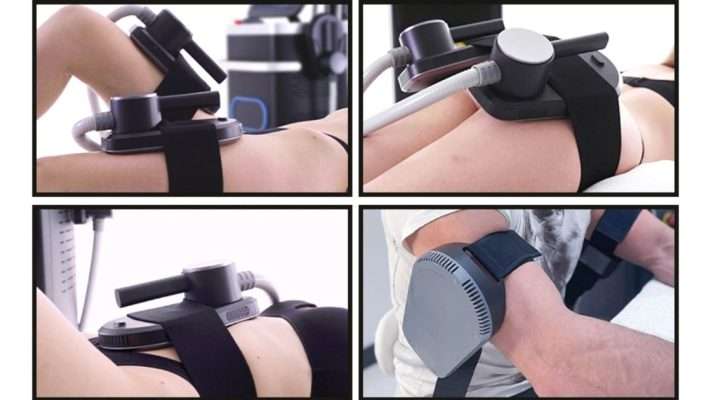
When using High-Intensity Electromagnetic Muscle Therapy (HIEMT) in rehabilitation, physiotherapy, and aged care settings, it’s essential to customize the settings and placement based on the specific goals, patient’s physical condition, and area being treated. Here’s a guide to optimizing HIEMT for safe and effective outcomes in these specialized settings.
1. Settings Adjustments for Rehabilitation, Physio, and Aged Care
HIEMT settings include intensity, frequency, and treatment duration. These should be carefully adjusted to suit the tolerance and needs of individuals in rehabilitation or aged care, who may be more sensitive to intense contractions.
Intensity
- Low to Moderate Intensity: Start with a lower intensity for older adults, individuals new to HIEMT, or those in recovery from injury or surgery. Gradually increase the intensity as tolerated, with the goal of safely engaging muscle fibers without causing excessive soreness or strain.
- Personalized Scaling: Scale intensity based on feedback, progressing cautiously for muscle groups that are less conditioned or weakened due to injury or age.
Frequency and Duration
- Shorter Session Times: Begin with sessions lasting around 10–15 minutes per muscle group, particularly for aged care or post-operative patients. This reduces the risk of overexertion and fatigue.
- Reduced Treatment Frequency: HIEMT may initially be used 1–2 times per week, allowing ample recovery time. As patients build tolerance, treatment frequency can be increased if appropriate and beneficial for the individual’s rehabilitation plan.
2. Placement for Specific Rehabilitation and Physiotherapy Goals
Placement of the HIEMT applicator(s) depends on the therapeutic objective, such as strengthening core muscles, improving balance, or aiding recovery in specific body areas.
Core Strengthening for Stability and Balance
- Placement: Position applicators on the abdominal muscles for core strengthening. This improves stability, enhances balance, and supports posture, which is especially beneficial in aged care and for those with mobility issues.
- Intensity and Duration: Start with low intensity, building gradually over sessions. Engage the entire core region for balanced muscle strengthening.
Pelvic Floor Strengthening for Incontinence
- Placement: Position applicators over the lower abdomen or, if the machine design allows, directly above the pelvic floor region. This is useful for individuals dealing with urinary incontinence or weakened pelvic muscles post-pregnancy or due to age.
- Intensity and Duration: Use low to moderate intensity, especially in initial sessions, to avoid discomfort. This area is sensitive, so short, frequent sessions (e.g., 10 minutes) are typically more effective.
Quadriceps and Gluteal Muscles for Mobility and Fall Prevention
- Placement: Place applicators over the quadriceps for knee stability and over the gluteal muscles for hip strength. This can support individuals with limited mobility or those prone to falls by strengthening lower body muscles essential for walking and balance.
- Intensity and Duration: Start with lower intensity, gradually increasing as tolerated. Sessions lasting 10–15 minutes can significantly improve lower body stability and strength.
Back Muscles for Postural Support and Pain Relief
- Placement: Position the applicators on the lumbar or upper back muscles to support better posture, relieve mild lower back pain, and provide core support.
- Intensity and Duration: Use moderate intensity with careful monitoring for any signs of discomfort, as the back muscles can be sensitive. Short sessions, gradually increasing as comfort allows, are ideal.
3. General Considerations for Safe HIEMT Use in Aged Care and Rehabilitation
Patient Positioning
- Comfort and Safety: Ensure the patient is positioned comfortably, whether seated or lying down, to reduce strain and prevent falls after treatment. For elderly patients, a seated position may be ideal for balance-focused HIEMT sessions.
- Stabilization of Treated Area: Use pillows or bolsters to support the treated area for stability and ensure the applicators maintain good contact without excessive pressure.
Monitoring During Treatment
- Real-Time Feedback: Encourage patients to provide feedback during treatment, adjusting settings if they experience discomfort. Older patients may have a reduced tolerance for intense contractions and could require more frequent check-ins.
- Post-Treatment Monitoring: Especially in aged care settings, monitor patients after each session to assess fatigue levels and any residual soreness, modifying future sessions based on response.
Progressive Treatment Plans
- Gradual Progression: Develop a treatment plan that increases intensity, duration, and frequency gradually. This reduces the likelihood of overexertion and allows the patient’s muscles to adapt to HIEMT’s demands over time.
- Integrated with Physical Therapy Goals: Work with the physiotherapist or rehabilitation specialist to align HIEMT sessions with broader therapy goals. This approach ensures that HIEMT enhances, rather than replaces, existing therapy exercises.
4. Sample HIEMT Protocols for Rehabilitation and Aged Care
Here are some example protocols that may be adapted to meet individual needs:
Post-Operative Recovery (e.g., hip or knee surgery)
- Target Muscles: Quadriceps, hamstrings, and gluteal muscles.
- Settings: Low to moderate intensity, 10-minute sessions, 1–2 times per week.
- Goal: Improve muscle strength around the joint for better stability, mobility, and recovery.
Chronic Lower Back Pain Relief
- Target Muscles: Lower back (lumbar region) and core.
- Settings: Low intensity, 10-minute sessions, progressing to moderate intensity as tolerated.
- Goal: Enhance back and core strength to reduce pain and support posture.
Pelvic Floor Strengthening for Older Adults
- Target Muscles: Pelvic floor muscles and lower abdominal muscles.
- Settings: Low intensity, 5–10 minute sessions, 1–2 times per week.
- Goal: Address incontinence and improve pelvic muscle tone for daily function and comfort.
Conclusion
Using HIEMT for rehabilitation, physiotherapy, and aged care involves careful adjustments to settings, placement, and session structure. This tailored approach ensures safe and effective outcomes, supporting strength recovery, improved mobility, and enhanced quality of life for individuals with specialized health needs. By working closely with healthcare providers and adjusting HIEMT treatments progressively, it’s possible to achieve therapeutic goals while minimizing risks.
HIEMT Time Between Treatments
The timing between HIEMT (High-Intensity Electromagnetic Muscle Therapy) treatments is essential for achieving safe, effective, and sustainable results, especially for rehabilitation, physiotherapy, and aged care patients. Due to HIEMT’s intense muscle contractions, proper spacing between sessions allows for muscle recovery, reduces the risk of overuse, and helps manage any potential soreness or fatigue.
- Recommended Frequency and Recovery Time
For most HIEMT protocols, the optimal frequency and recovery time are designed to balance effectiveness with safety, especially for sensitive populations:
- Standard Frequency: Generally, 2–3 sessions per week with at least 48 hours between sessions is recommended for individuals in rehabilitation or physiotherapy.
- Aged Care Considerations: In elderly patients or those with a history of muscle weakness or frailty, HIEMT sessions may be spaced further apart—every 3 to 5 days—to allow more time for muscle recovery.
The goal is to allow muscles to rest and repair after each session, especially for patients whose muscle endurance and strength are initially low.
2. Adjustments for Different Goals and Conditions
The frequency and duration of HIEMT sessions should vary depending on the treatment goal, patient condition, and muscle group being targeted.
Rehabilitation Following Injury or Surgery
- Frequency: 1–2 sessions per week, with at least 3–4 days between sessions.
- Reason: Post-injury or post-operative muscles and joints are more sensitive, and gradual strengthening is key to avoiding overstrain or setbacks.
General Strengthening and Mobility for Aged Care
- Frequency: 1–2 times per week, with 4–5 days between sessions.
- Reason: Muscles in older adults may require longer recovery time, and the focus should be on gradual improvement in strength, balance, and mobility without causing undue fatigue.
Intensive Physio Support (e.g., Muscle Re-education)
- Frequency: 2–3 times per week with 48 hours between sessions, if tolerated.
- Reason: For individuals with better muscle tolerance, more frequent sessions may help speed up muscle re-education and functional recovery, provided they do not experience excessive soreness or fatigue.
3. Monitoring and Adjusting Treatment Frequency
For effective HIEMT scheduling, regular patient assessments are important. Factors to consider include:
- Muscle Soreness: If patients report excessive soreness, increase recovery time between sessions to avoid overuse.
- Fatigue Levels: Especially in aged care, monitor for signs of overall fatigue; if present, consider reducing frequency.
- Progression Needs: Increase frequency gradually based on how well the patient’s muscles are adapting, but avoid back-to-back sessions without sufficient recovery time.
4. Example Schedules for Rehabilitation, Physiotherapy, and Aged Care
- Rehabilitation Protocol for Lower Body (e.g., after knee surgery):
- Week 1–2: One session per week (e.g., every 5–7 days).
- Week 3–6: Increase to two sessions per week with 3–4 days between sessions as tolerated.
- Core Strengthening and Pelvic Health in Aged Care:
- Initial Phase: One session every 5–7 days.
- Maintenance Phase: Every 3–5 days if tolerated, allowing for sufficient rest.
Conclusion
For HIEMT in rehabilitation, physiotherapy, and aged care, maintaining proper time intervals between treatments is crucial to allow for muscle recovery, prevent overuse, and promote safe progress. Tailoring the frequency based on individual response, recovery needs, and physical goals ensures that HIEMT can be a valuable part of strengthening and recovery plans without placing undue strain on patients.
HIEMT Troubleshooting
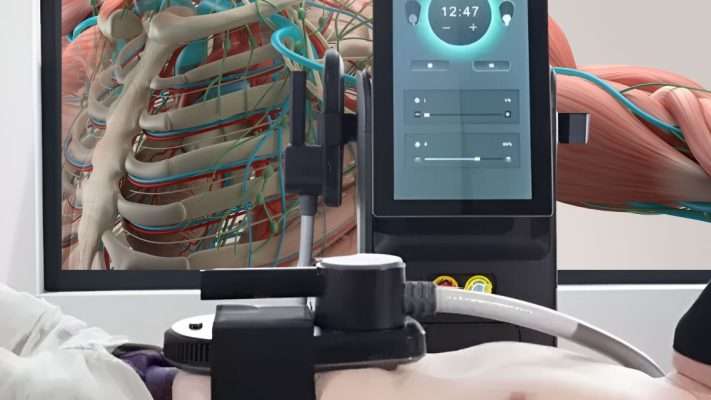
When using High-Intensity Electromagnetic Muscle Therapy (HIEMT) in rehabilitation, physiotherapy, and aged care settings, effective troubleshooting ensures that sessions are safe, comfortable, and beneficial for patients. Addressing common issues quickly can enhance treatment efficacy, maximize patient comfort, and prevent interruptions.
1. Discomfort or Pain During Treatment
Problem: Patients may experience discomfort or pain during HIEMT sessions, particularly if they are new to the therapy or have sensitive areas due to injury or age-related changes.
Solutions:
- Lower the Intensity: Start with lower intensity settings and gradually increase based on tolerance. Older adults and rehab patients may need extra time to adapt.
- Check Placement: Ensure applicators are correctly positioned over the target muscle group without pressing too hard, which can cause discomfort.
- Shorter Sessions: Reduce session time if discomfort persists, increasing duration as the patient adjusts to HIEMT.
2. Muscle Fatigue or Excessive Soreness After Treatment
Problem: Muscle fatigue or soreness is common, but excessive soreness could hinder patients’ mobility or progress, particularly in aged care.
Solutions:
- Increase Recovery Time: Allow at least 48–72 hours between sessions to let muscles recover, particularly for older adults or those with low muscle tone.
- Reduce Intensity and Duration: Temporarily decrease intensity and session length. Slowly build up the duration and intensity as the muscles adapt.
- Integrate Stretching and Hydration: Encourage light stretching post-session and adequate hydration to help minimize soreness and promote muscle recovery.
3. Applicator Slippage or Poor Contact
Problem: Applicators may slip or lose contact with the skin, which can reduce effectiveness and disrupt the session.
Solutions:
- Secure Applicators Properly: Use straps or bandages to ensure the applicators stay in place, especially for patients who may shift during treatment.
- Check for Sweat or Lotions: Sweat or residual lotion can cause slippage. Clean the area before treatment to improve adherence.
- Patient Positioning: Ensure the patient is positioned comfortably and securely to avoid movement that may dislodge the applicators.
4. Patient Anxiety or Fear of the Sensation
Problem: HIEMT’s strong muscle contractions may be intimidating, especially for older patients or those unfamiliar with the sensation.
Solutions:
- Educate and Reassure: Explain how HIEMT works and what sensations to expect, reassuring patients that the contractions are safe.
- Gradual Introduction: Begin with a low-intensity setting and gradually increase as they get comfortable. Allow a few moments to acclimate before continuing with the full session.
- Encourage Feedback: Encourage patients to provide feedback during treatment and adjust as needed based on their comfort level.
5. Inconsistent Results or Low Treatment Efficacy
Problem: If patients don’t notice improvement or results vary between sessions, it can lead to dissatisfaction or reduced compliance with treatment.
Solutions:
- Review Settings and Protocols: Ensure that the correct intensity, duration, and frequency are set for the patient’s condition and therapeutic goals.
- Adjust Placement and Target Muscles: Verify that applicators are positioned on the intended muscle group, especially if targeting specific areas for rehabilitation.
- Combine with Physical Therapy: For best results, combine HIEMT with complementary physical therapy exercises to support muscle strengthening and functional improvements.
6. Interference with Medical Devices
Problem: HIEMT can interfere with electronic implants (e.g., pacemakers, neurostimulators), posing a significant safety risk.
Solutions:
- Screen for Implants or Devices: Check the patient’s medical history for any electronic implants or devices before starting HIEMT. Avoid using HIEMT in these cases.
- Avoid Metal Implants: For patients with metal joint replacements or pins, avoid placing HIEMT applicators near these areas, as the electromagnetic field may cause discomfort or adverse effects.
7. Weak or No Contraction Response
Problem: In some cases, patients may not feel muscle contractions as strongly, which could be due to incorrect settings or placement.
Solutions:
- Adjust Intensity Levels: Gradually increase intensity within a comfortable range until noticeable contractions are achieved.
- Reposition Applicators: Adjust the placement to ensure applicators are over the muscle belly, as this provides a stronger contraction.
- Ensure Proper Contact: Check that the applicators have full contact with the skin without gaps, as this can affect the strength of the contraction.
8. Electrical Sensation or Tingling in Surrounding Areas
Problem: Patients may experience tingling or electrical sensations outside the targeted muscle area, which can be uncomfortable.
Solutions:
- Check for Nerve Proximity: Avoid areas with high nerve concentrations (e.g., near joints) that could lead to unintended nerve stimulation.
- Move Applicators Slightly: Adjust applicator positioning to focus the stimulation on the target muscle, reducing impact on surrounding nerves.
- Use Low-Intensity Settings Initially: Begin with lower settings to help the patient acclimate and reduce the spread of sensations to unintended areas.
9. Skin Redness or Irritation
Problem: Skin irritation or redness may occur due to prolonged contact or if the applicator is applied too tightly.
Solutions:
- Ensure Proper Contact Without Pressure: The applicator should have gentle, secure contact without pressing into the skin.
- Use Soft Barriers: Place a thin, soft cloth barrier between the applicator and skin if the patient has sensitive skin, but ensure it does not interfere with contact.
- Limit Session Duration: Shorten session length if redness continues, and allow more time between treatments if skin sensitivity persists.
Conclusion
Effective troubleshooting for HIEMT in rehabilitation, physiotherapy, and aged care settings involves patient-centered adjustments, clear communication, and careful monitoring. By tailoring HIEMT settings, addressing discomfort, and providing reassurance, practitioners can optimize HIEMT’s benefits while ensuring safe and positive experiences for patients.
HIEMT Aftercare

Proper aftercare following High-Intensity Electromagnetic Muscle Therapy (HIEMT) sessions is essential for rehabilitation, physiotherapy, and aged care patients to ensure comfort, reduce soreness, and maximize treatment benefits. Aftercare is particularly important for older adults and those recovering from injuries, as it promotes recovery and reduces the risk of muscle strain or fatigue.
1. Immediate Aftercare Recommendations
After a HIEMT session, it’s common for muscles to feel worked, similar to the feeling after a workout. Proper post-treatment practices can help alleviate any temporary discomfort.
Hydration
- Encourage Hydration: Drinking water after HIEMT sessions helps flush out lactic acid build-up, reducing soreness and aiding muscle recovery.
- Electrolytes for Intensive Sessions: For patients with intensive HIEMT sessions, consider adding an electrolyte drink to support muscle function and prevent cramping.
Stretching and Gentle Movement
- Light Stretching: Gentle stretching of the targeted muscle groups helps relieve tension and improve blood circulation, which can reduce muscle tightness.
- Walking or Light Activity: Low-impact activity, such as a short walk, promotes circulation and can help alleviate any lingering stiffness or soreness.
Rest and Relaxation
- Avoid Strenuous Activity: Patients should avoid strenuous physical activity for 24 hours post-session to allow muscle recovery.
- Encourage Rest: For patients in rehabilitation or aged care, gentle rest is beneficial. Avoid intense muscle use, especially if they are experiencing mild soreness.
2. Pain and Soreness Management
Muscle soreness can sometimes occur after HIEMT, especially in patients who are less conditioned. Managing this discomfort is key to ensuring a positive experience.
Cold and Warm Compresses
- Cold Compress: Applying a cold compress for 10–15 minutes immediately after treatment can help reduce inflammation and numb any soreness.
- Warm Compress (24–48 Hours Post-Treatment): For lingering soreness, a warm compress can be applied to soothe muscles, encourage relaxation, and improve blood flow.
Topical Pain Relief
- Gentle Creams: For individuals who experience soreness, a gentle topical cream or gel can be used. Ensure the cream does not irritate sensitive skin, particularly for older adults.
- Avoid Harsh Rubs: Avoid using strong muscle rubs with intense heat or cold effects on elderly patients, as these may be too harsh on delicate skin.
3. Patient Education for Long-Term Care
To support ongoing progress and comfort, educate patients on steps they can take between sessions.
Daily Light Exercises
- Low-Impact Exercises: Encourage low-impact activities such as stretching, gentle yoga, or walking to maintain flexibility and circulation between HIEMT sessions.
- Strength Maintenance: For patients who can tolerate it, light resistance exercises (under supervision) can support the muscle gains from HIEMT.
Listen to the Body
- Report Any Discomfort: Encourage patients to communicate any excessive soreness or discomfort to their provider to adjust future HIEMT settings.
- Know Limitations: Older adults or patients in rehab should avoid pushing themselves too hard, especially if they feel fatigue or soreness. Emphasize gradual progress.
4. Nutrition for Muscle Recovery
Providing muscles with the right nutrients aids recovery and promotes the benefits of HIEMT.
Protein Intake
- High-Quality Protein Sources: For muscle repair, encourage protein-rich meals, such as lean meats, fish, eggs, or plant-based protein, especially after a session.
- Protein Supplements: For those with dietary restrictions, consider recommending protein supplements, but consult with a nutritionist for optimal choices.
Anti-Inflammatory Foods
- Encourage Omega-3 Fatty Acids: Foods high in omega-3s, such as salmon, chia seeds, and walnuts, can help reduce inflammation.
- Incorporate Antioxidants: Foods rich in antioxidants, like berries and leafy greens, support muscle recovery and reduce post-treatment inflammation.
5. Follow-Up and Ongoing Monitoring
Regular check-ins after HIEMT treatments help practitioners gauge patient comfort and make necessary adjustments.
Patient Feedback
- Assess Comfort Levels: After each session, check in with patients about their comfort and soreness levels. Use their feedback to adjust intensity or duration in future sessions.
- Track Recovery Progress: For patients in rehabilitation, tracking progress can help adjust HIEMT protocols over time to match recovery stages.
Adjust Treatment Plans as Needed
- Personalized Frequency and Intensity Adjustments: For those who experience discomfort or soreness, consider reducing the intensity or frequency until they build greater tolerance.
- Incorporate Breaks: If soreness persists or recovery appears slow, spacing sessions further apart can be beneficial, especially for aged care patients who may need more time to recover.
Conclusion
Aftercare for HIEMT in rehabilitation, physiotherapy, and aged care settings is about promoting comfort, supporting muscle recovery, and ensuring a positive experience. Hydration, gentle stretching, rest, and proper nutrition are all integral parts of an effective aftercare routine, helping patients feel their best and optimize the benefits of HIEMT treatments. By closely monitoring progress and responding to individual needs, practitioners can provide tailored HIEMT care that supports recovery and strength-building for each patient.