

Articles
Functional Electrical Stimulation (FES) vs. High-Intensity Electromagnetic Muscle Therapy (HIEMT)
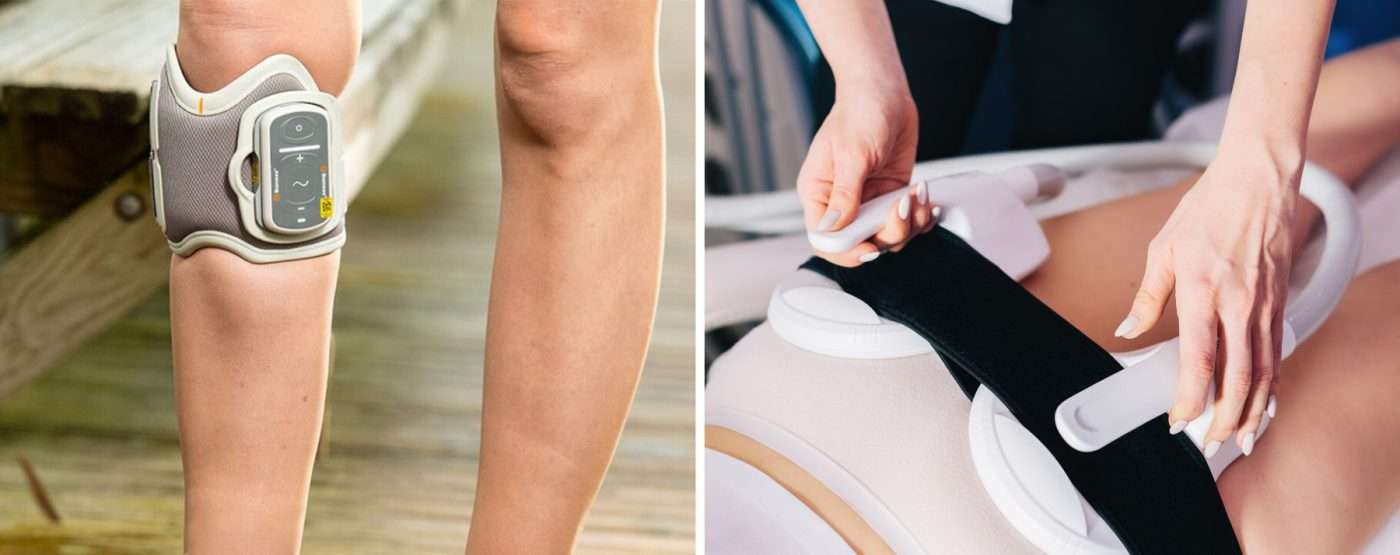
Functional Electrical Stimulation (FES) vs. High-Intensity Electromagnetic Muscle Therapy (HIEMT): Understanding the Differences
Functional Electrical Stimulation (FES):
Functional Electrical Stimulation (FES) is a technique that uses low-level electrical currents to stimulate muscles that have weakened or lost function, typically due to neurological disorders such as spinal cord injuries, stroke, or multiple sclerosis. The goal of FES is to restore or improve motor functions, such as walking, grasping, or even respiratory functions, by electrically stimulating the nerves that control these muscles.
-
Mechanism: FES works by sending electrical impulses through electrodes placed on the skin over specific muscles. These impulses mimic the action potentials that the brain would normally send to the muscles, causing them to contract. The electrical stimulation is often controlled by a device programmed to deliver impulses in a pattern that replicates natural movement.
-
Applications: FES is widely used in rehabilitation for spinal cord injuries, stroke recovery, and other conditions where nerve damage has led to muscle weakness or paralysis. It helps in muscle re-education, maintaining muscle tone, preventing atrophy, and improving circulation.
High-Intensity Electromagnetic Muscle Therapy (HIEMT):
High-Intensity Electromagnetic Muscle Therapy (HIEMT) is a more recent technology that uses high-intensity focused electromagnetic energy to induce powerful muscle contractions. Unlike FES, which uses electrical currents, HIEMT utilises electromagnetic fields to stimulate muscle tissue directly, bypassing the need for nerve involvement.
-
Mechanism: HIEMT devices generate a strong electromagnetic field that penetrates the skin and fat layers to reach the muscle tissue. This field induces deep, supramaximal contractions that are far more intense than those that can be achieved through voluntary exercise or even FES. These contractions lead to increased muscle strength, hypertrophy, and enhanced metabolic activity in the treated area.
-
Applications: In the past HIEMT is primarily used for body contouring, muscle building, and fat reduction in aesthetic medicine. However, it is more recently revolutionising the rehabilitation field for muscle strengthening, especially in patients with muscle weakness due to inactivity or injury.
Can HIEMT Assist with Abdominal Functional Electrical Stimulation for Orthostatic Hypotension in Spinal Cord Injury?
Orthostatic hypotension, a condition characterised by a sudden drop in blood pressure when moving from lying down to an upright position, is common in individuals with spinal cord injuries (SCI). This condition often results from the inability of the body’s autonomic nervous system to properly regulate blood pressure, especially due to reduced muscle activity in the lower body and abdomen.
FES and Orthostatic Hypotension:
- FES has been used to stimulate abdominal and lower limb muscles in SCI patients to prevent orthostatic hypotension. By stimulating these muscles, FES can improve venous return (the flow of blood back to the heart) and stabilise blood pressure when the patient changes positions.
HIEMT and Its Potential Role:
-
HIEMT could potentially complement FES by providing more intense and deeper muscle contractions in the abdominal region. The deep, supramaximal contractions induced by HIEMT may enhance muscle tone and strength in the abdominal muscles, which are critical for maintaining proper posture and supporting the body’s blood pressure regulation mechanisms.
-
Potential Benefits: The use of HIEMT in combination with FES might offer additional benefits in managing orthostatic hypotension in SCI patients. The increased muscle mass and strength from HIEMT could improve overall core stability and support better autonomic function, potentially reducing the incidence or severity of orthostatic hypotension.
-
Limitations and Considerations: While HIEMT shows promise, it’s important to note that it does not directly stimulate nerves like FES does. Therefore, its use in SCI patients would be adjunctive, focusing on muscle strengthening rather than nerve stimulation. Clinical trials and further research would be needed to fully understand the efficacy and safety of combining HIEMT with FES for this specific application.
Conclusion
Both FES and HIEMT offer unique benefits for muscle stimulation and rehabilitation. FES is well-established in neurological rehabilitation for improving muscle function in patients with nerve damage. HIEMT, while newer, offers intense muscle strengthening and could be beneficial as an adjunct therapy, particularly in managing conditions like orthostatic hypotension in SCI patients. Combining these technologies might provide a comprehensive approach to enhancing muscle function and improving patient outcomes in complex cases such as spinal cord injury.
